• Home
  • About Senji
    Company Profile Honorary Qualifications Factory Show
  • Product
    Seismic Bracing Series
    Comprehensive Support Hangers
    Utility Tunnel Support Systems
    heavy-load seismic bracing
    Channel steel cover plate for seismic support
    U-type Pipe Clamp for Seismic Supports
    90° Angle Connector for Seismic Bracket
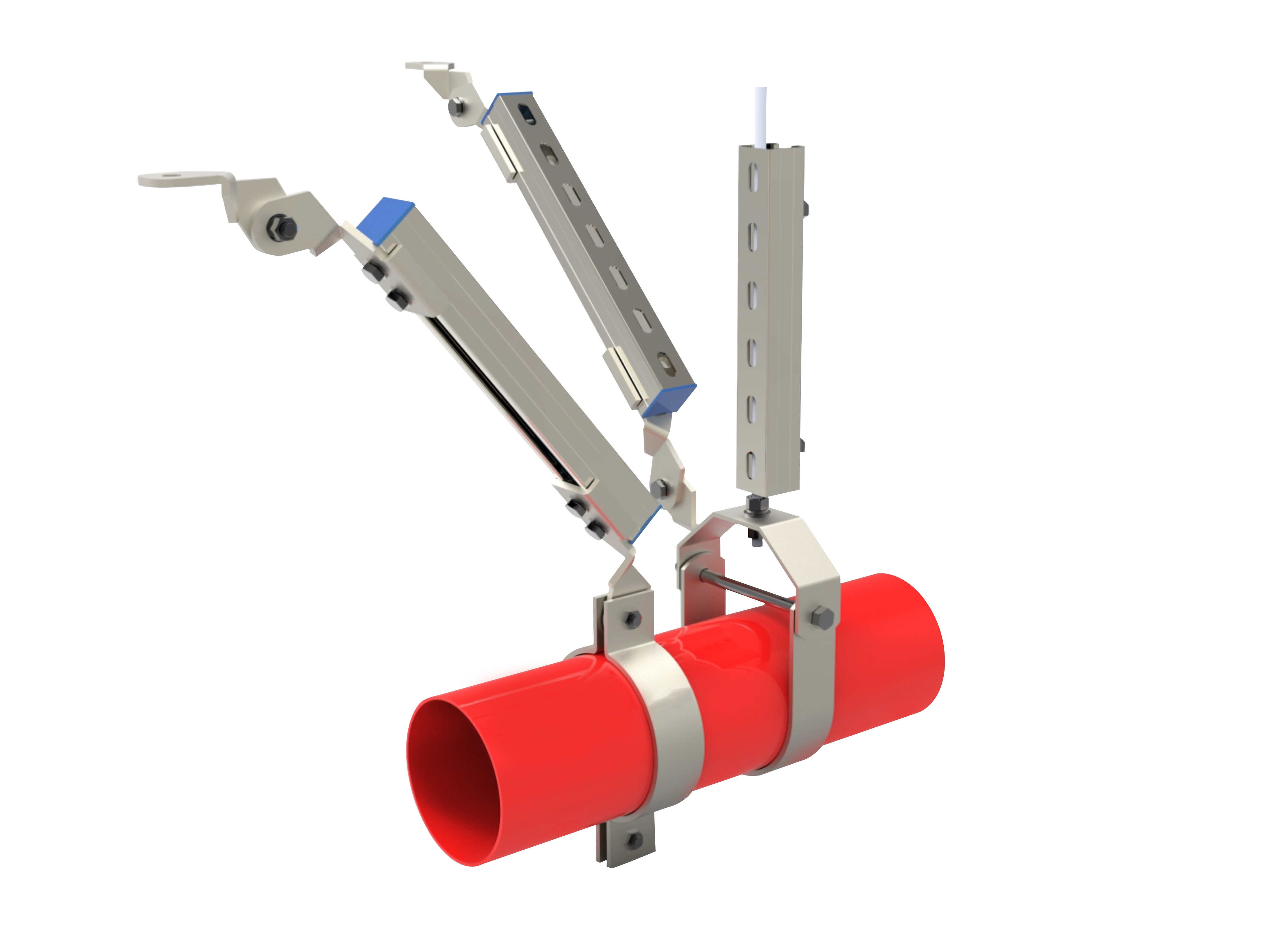
    DN65-150 Single-Pipe Bidirectional Seismic Support
    All Products
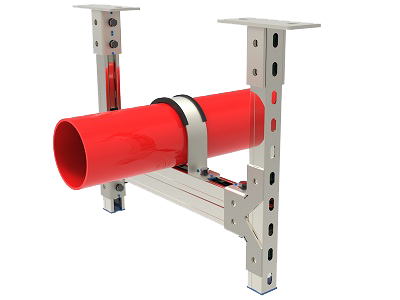
    Rigid single-column gantry
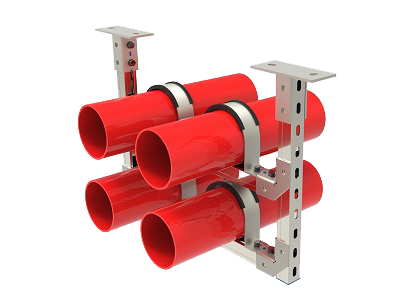
    Rigid multi-tube gantry
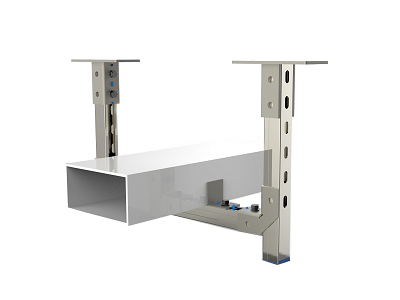
    Rigid rectangular tube gantry
    Twin-column riser
    All Products
    Urban Utility Tunnel
    Embedded Channel System for Urban Utility Tunnels
    District heating pipelines in urban utility tunnels
    Power lines in urban utility tunnels
    All Products
    All Products
  • Case
    Public Buildings Commercial Residential Industrial Factory Educational and Medical Rail Transit
  • News
    Company News Industry News FAQ
  • Contact
+86 13861761138
Home
About Senji
Company Profile
Honorary Qualifications
Factory Show
Product
Seismic Bracing Series
Comprehensive Support Hangers
Utility Tunnel Support Systems
heavy-load seismic bracing
Case
Public Buildings
Commercial Residential
Industrial Factory
Educational and Medical
Rail Transit
News
Company News
Industry News
FAQ
Contact

Seismic Bracing Series

• Seismic Bracing • Seismic Bracing Accessories

Comprehensive Support Hangers

Utility Tunnel Support Systems

heavy-load seismic bracing

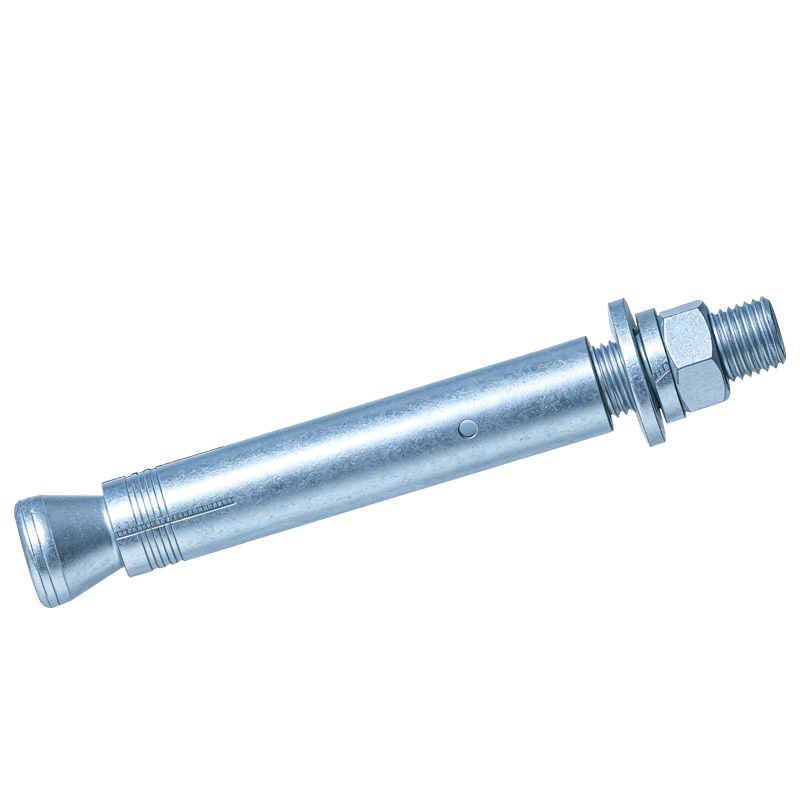
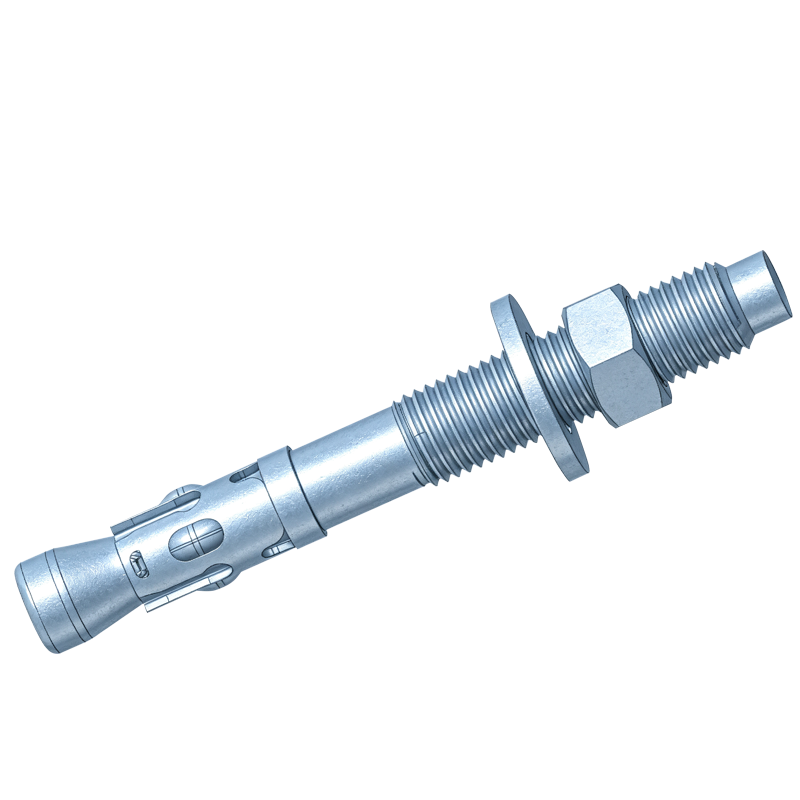
Seismic Anchors for Seismic Supports
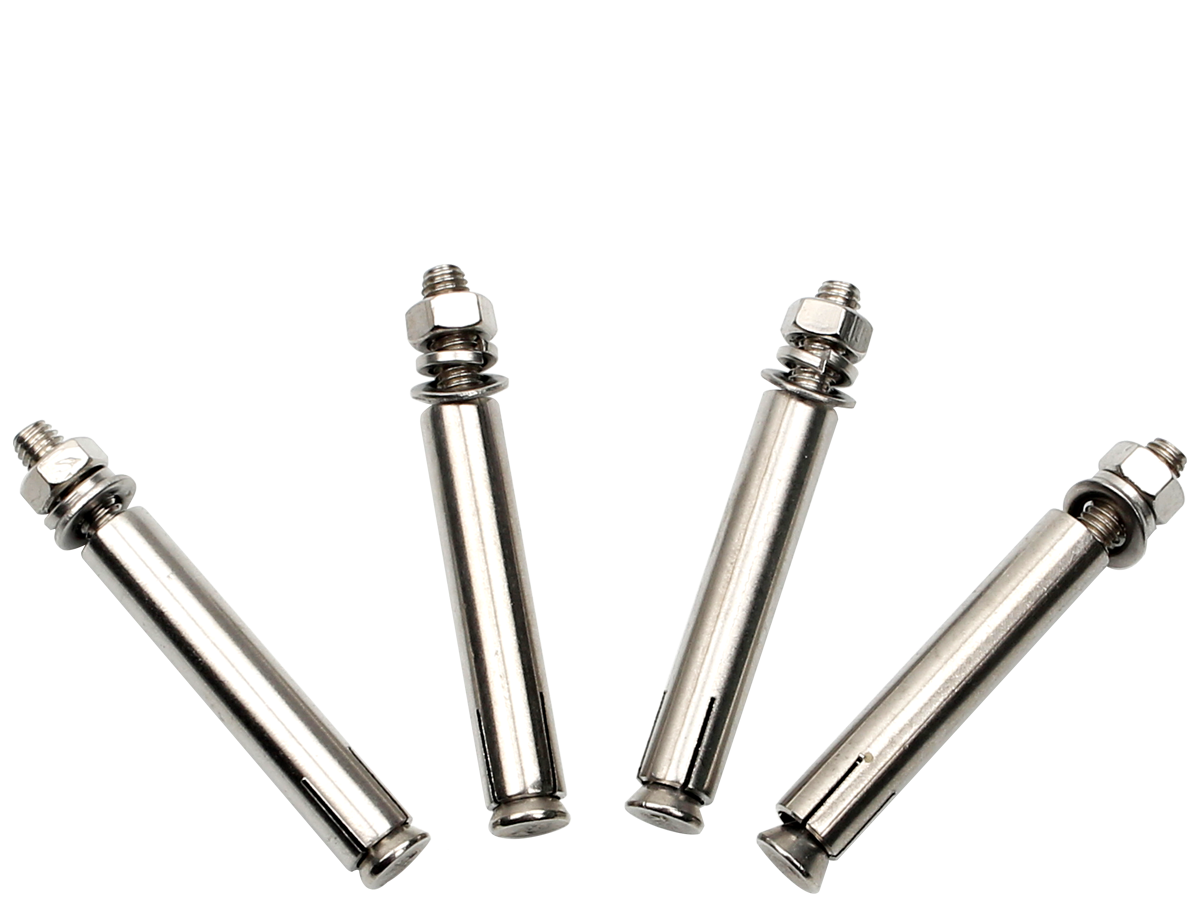
Seismic anchors are post-installed anchoring connectors between mechanical & electrical seismic supports and concrete slabs/beams. During an earthquake, they bear vertical and horizontal bidirectional seismic loads on the supports, transfer seismic forces from pipelines, cable trays and air ducts to the main building structure, and prevent supports from falling off and pipelines from collapsing to cause casualties.
More
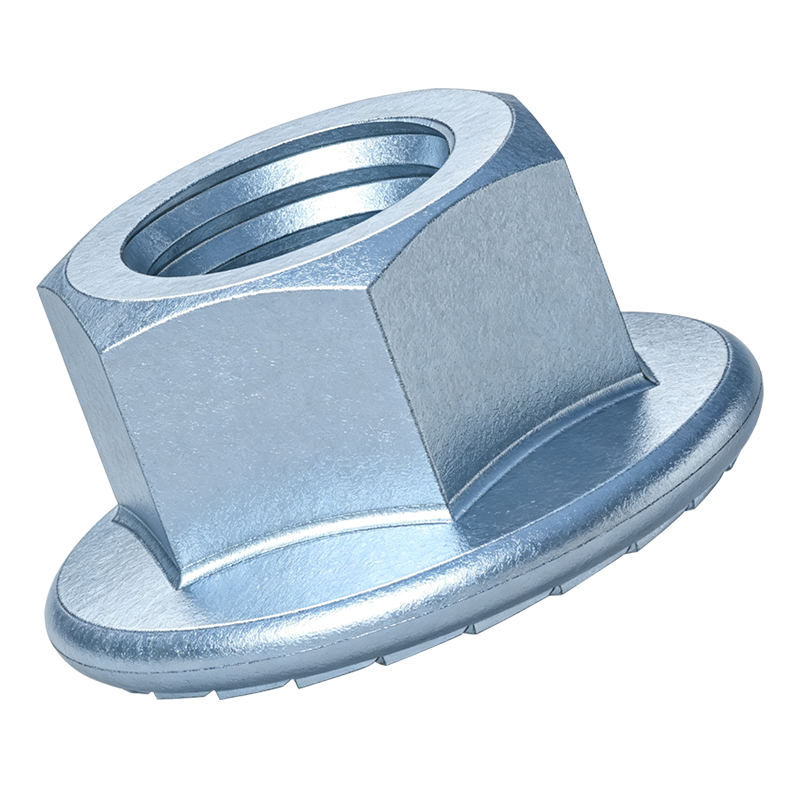
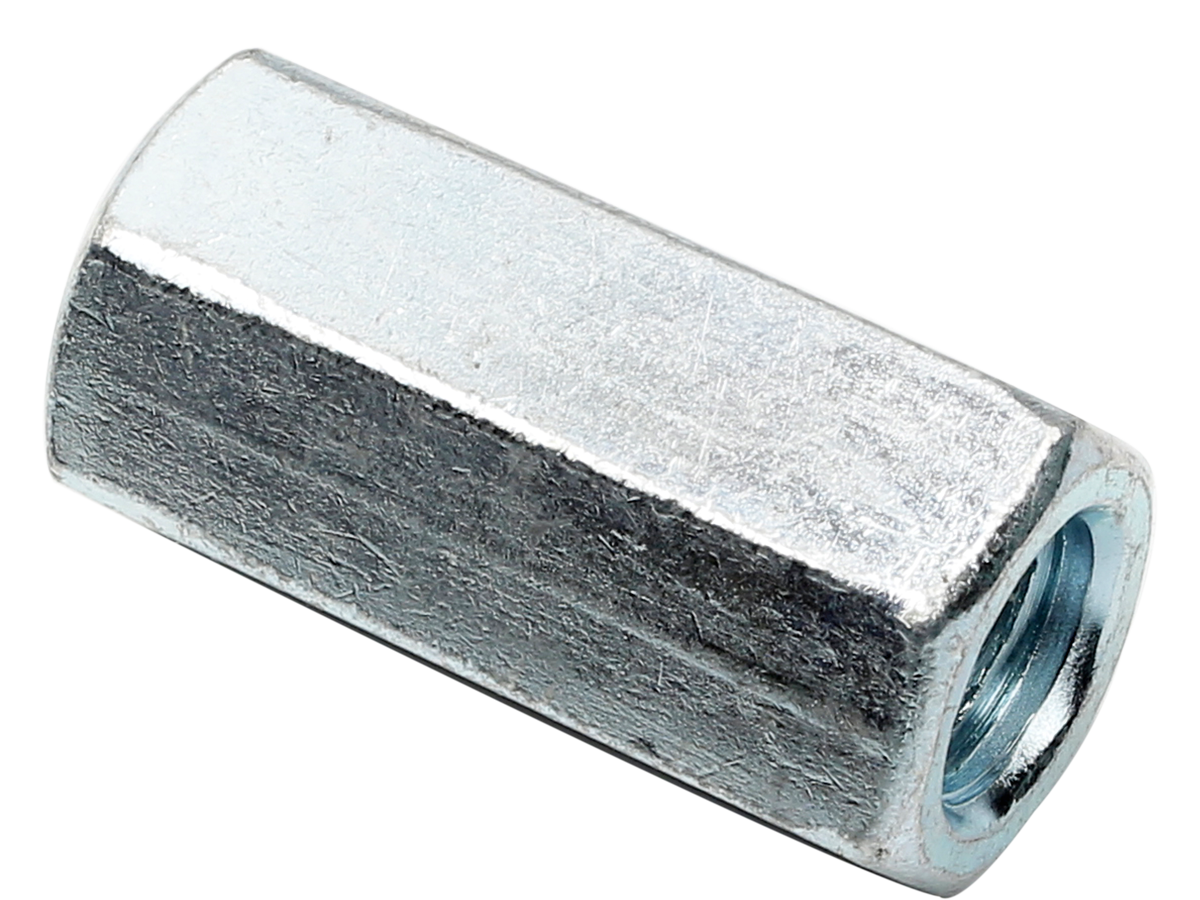
Threaded Rod Coupler for Seismic Bracing Assembly
The threaded rod coupler is a hexagonal sleeve with internal threads at both ends, used to connect and extend two sections of fully threaded hanger rods. It serves as a standard connecting component for vertical hangers of seismic bracing. Material: Q235B carbon steel, hot-dip galvanized. Common specifications: M10, M12, M14, M16 (M10 and M12 are widely adopted for seismic bracing). Applicable standards: GB50981, CJ/T476, CECS420.
More

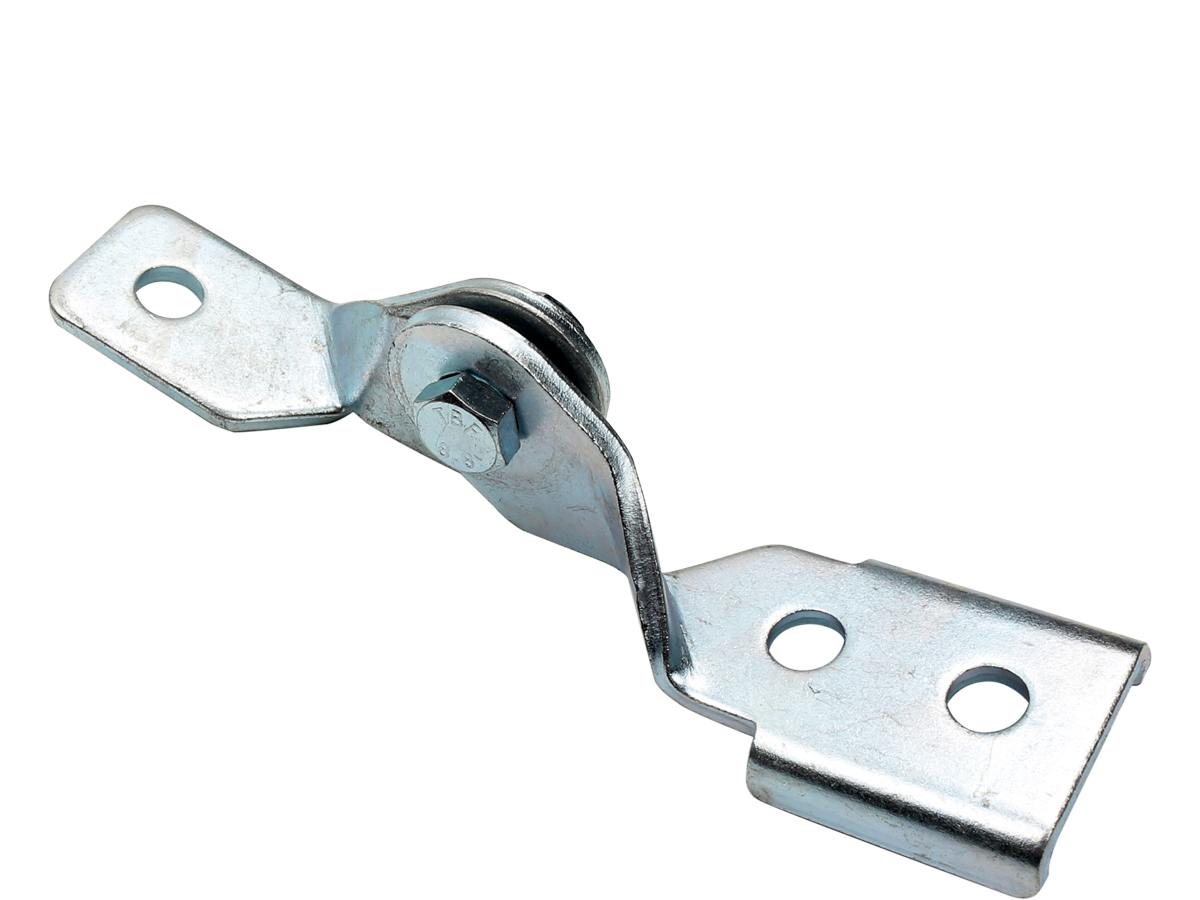
Seismic Hinge for Seismic Bracing Assembly
Seismic hinge, also known as seismic joint or universal seismic connector, is a core load-bearing component of seismic bracing. It is generally used with 41-series C-channels (single/double C-channel) and bracing struts to connect struts with main beams or structural bases and realize adaptive angle adjustment.
More
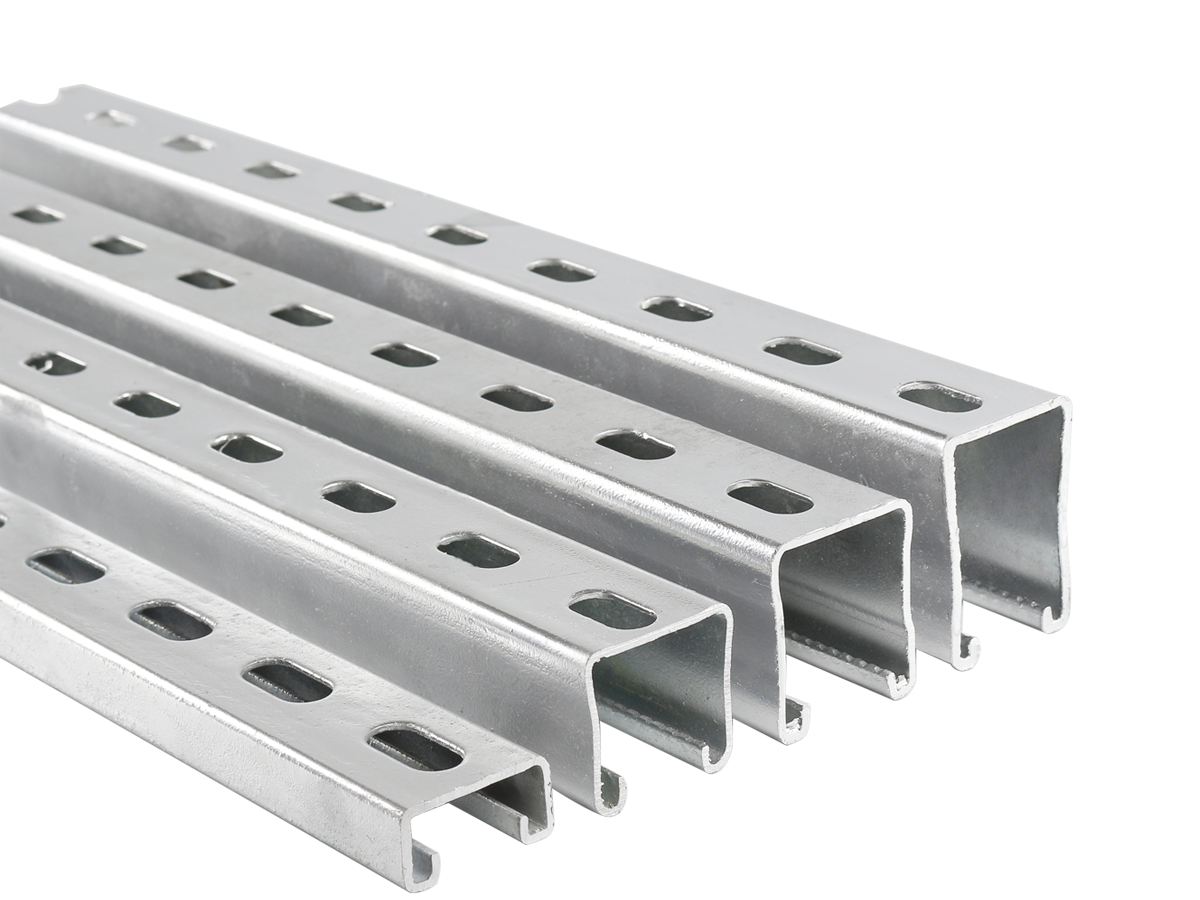
Single C-channel for Seismic Bracing
Single C-channel is a basic load-bearing component for seismic bracing. It is normally made of Q235B steel with hot-dip galvanized or electro-galvanized surface. The profile features an integrated T-slot, enabling direct assembly with seismic hinges, pipe clamps, bolts and slide nuts. It is widely used for seismic supports and hangers of air ducts, water pipes and fire protection pipelines. Common specifications: standard C-channels such as 41×21, 41×41 and 41×62.
More
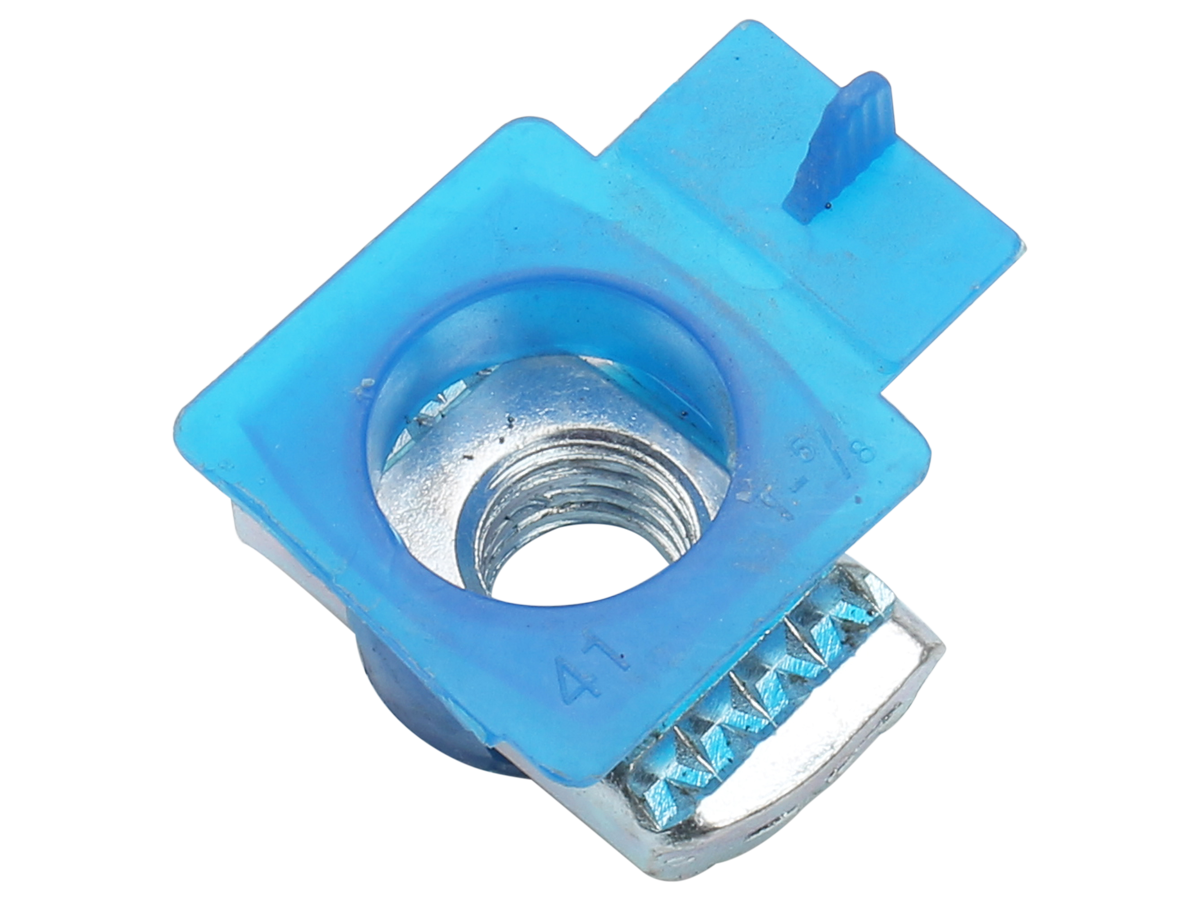
Channel Nut for Seismic Support
Suitable for 41-series seismic C-channel steel (41×41, 41×62, 41×82). Equipped with built-in spring clips, it can be inserted directly into any position of the channel groove for sliding positioning, eliminating pre-welding and pre-drilling operations.
More
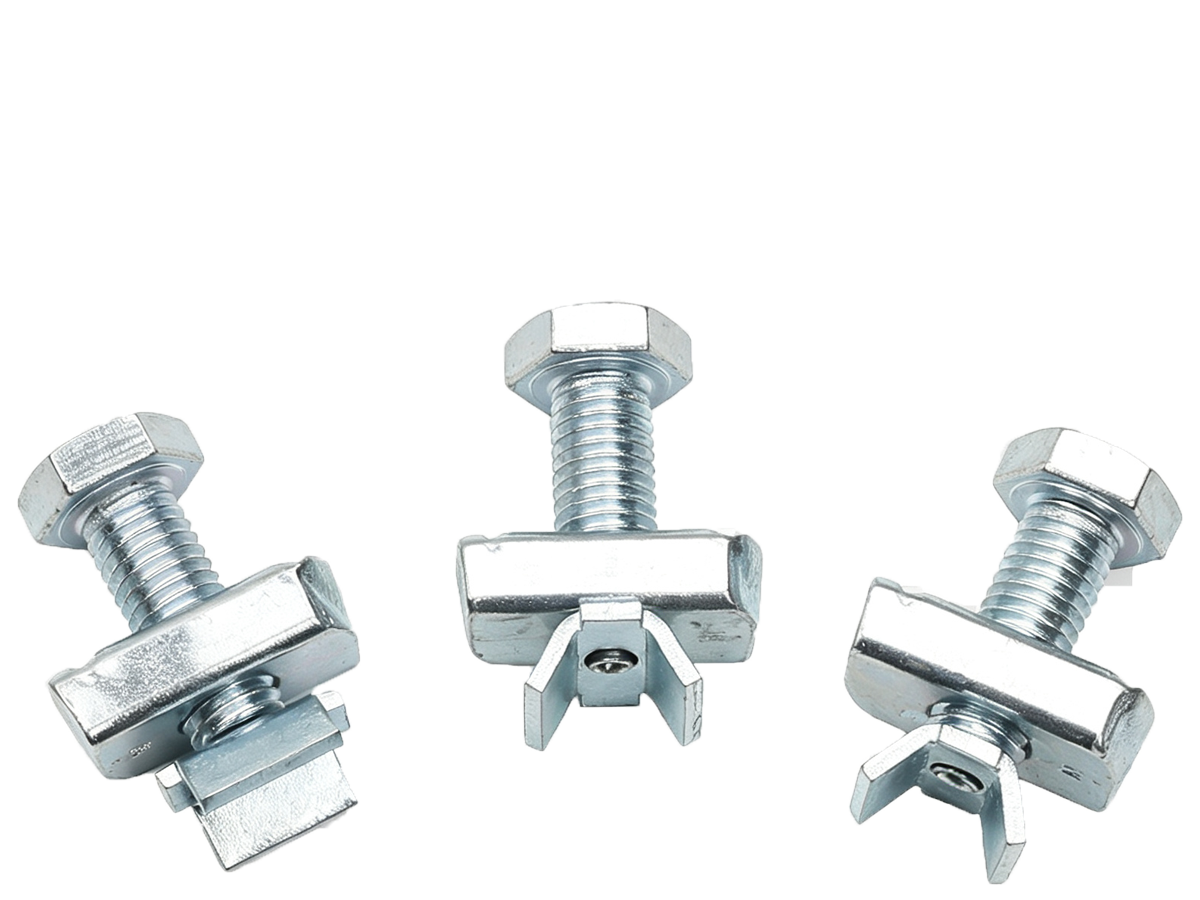
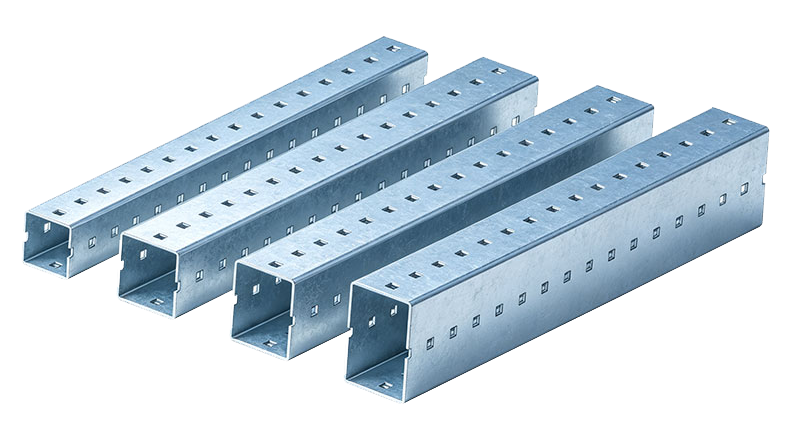
Channel steel cover plate for seismic support
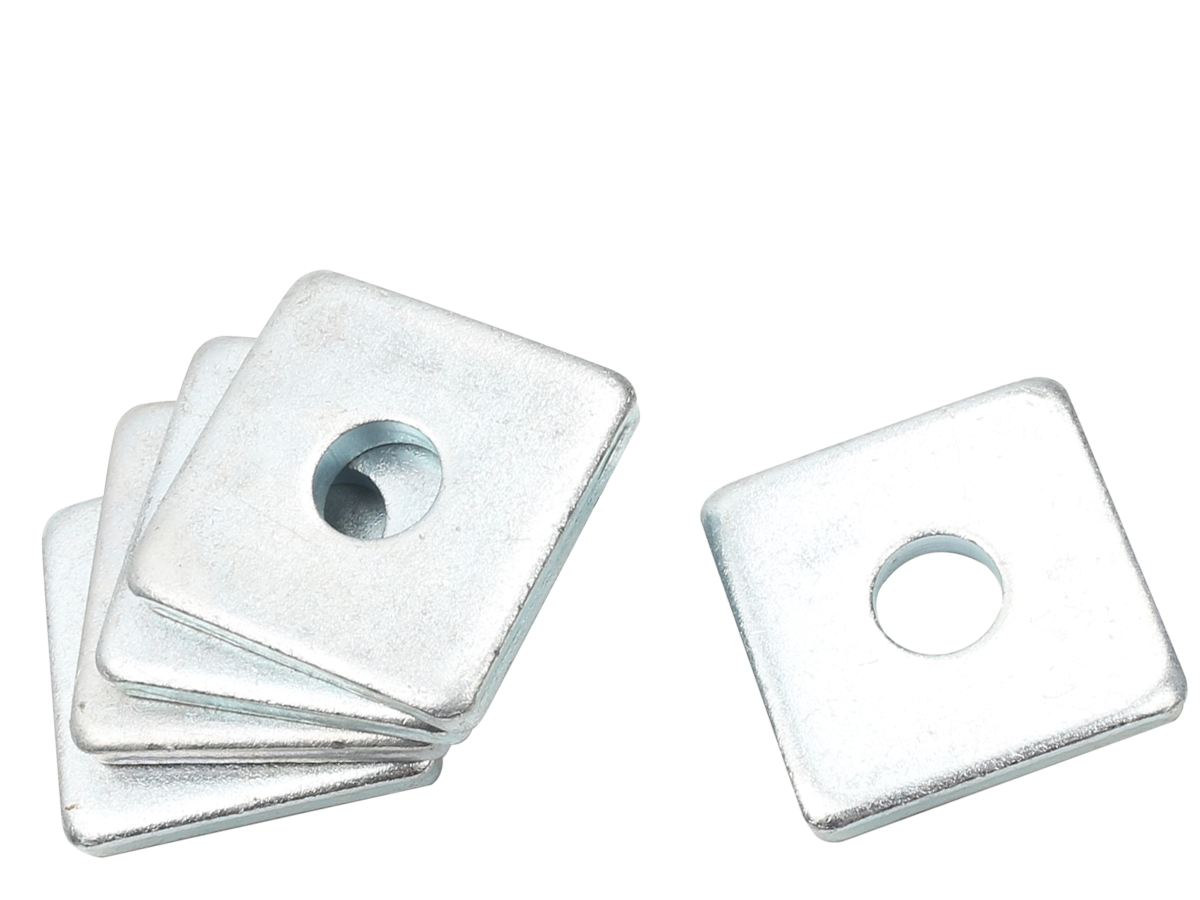
Also known as C-section steel clip pad, U-shaped pressure plate and channel steel reinforcing gasket, the channel steel cover plate is a core fastening fitting for seismic supports. It is designed for use with standard 41×41 C-section channel steel. Fitted into the channel notch, it clamps the channel steel together with fully threaded rods and nuts to distribute stress and prevent deformation or cracking of the channel steel. It meets the welding-free assembly requirements specified in GB50981 Code for Seismic Design of Mechanical and Electrical Services.
More
V-type Stiffener for Seismic Bracket (Threaded Rod Stiffener / Hanger Stabilizer)
The V-type stiffener, also known in the industry as threaded rod stiffener or hanger anti-buckling stiffener, is a special fitting for seismic gate-type hangers. It is used to reinforce the joint between vertical load-bearing hangers (full-threaded rods) and C-channel cross beams to address the instability and buckling of long hangers under compression. It is categorized as a hanger reinforcing component.
More
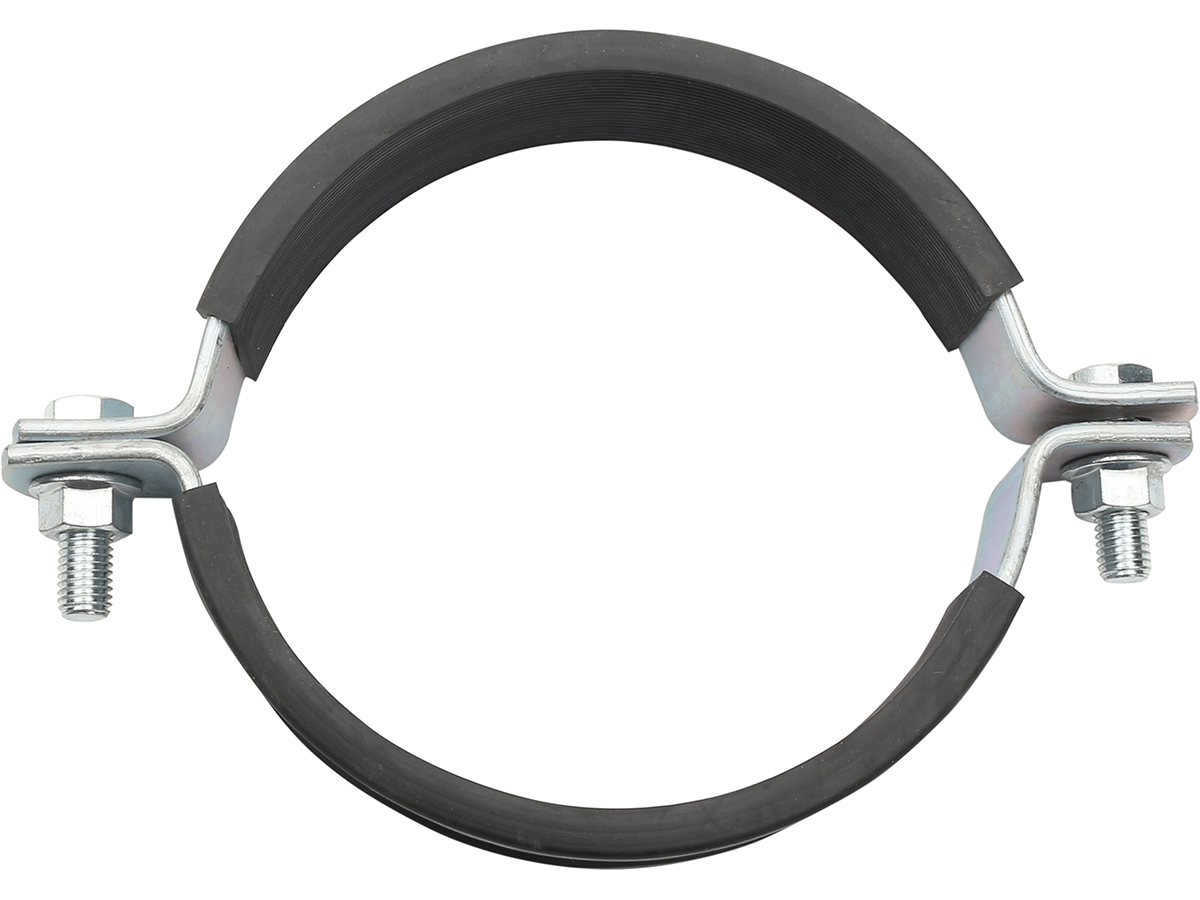
U-type Pipe Clamp for Seismic Supports
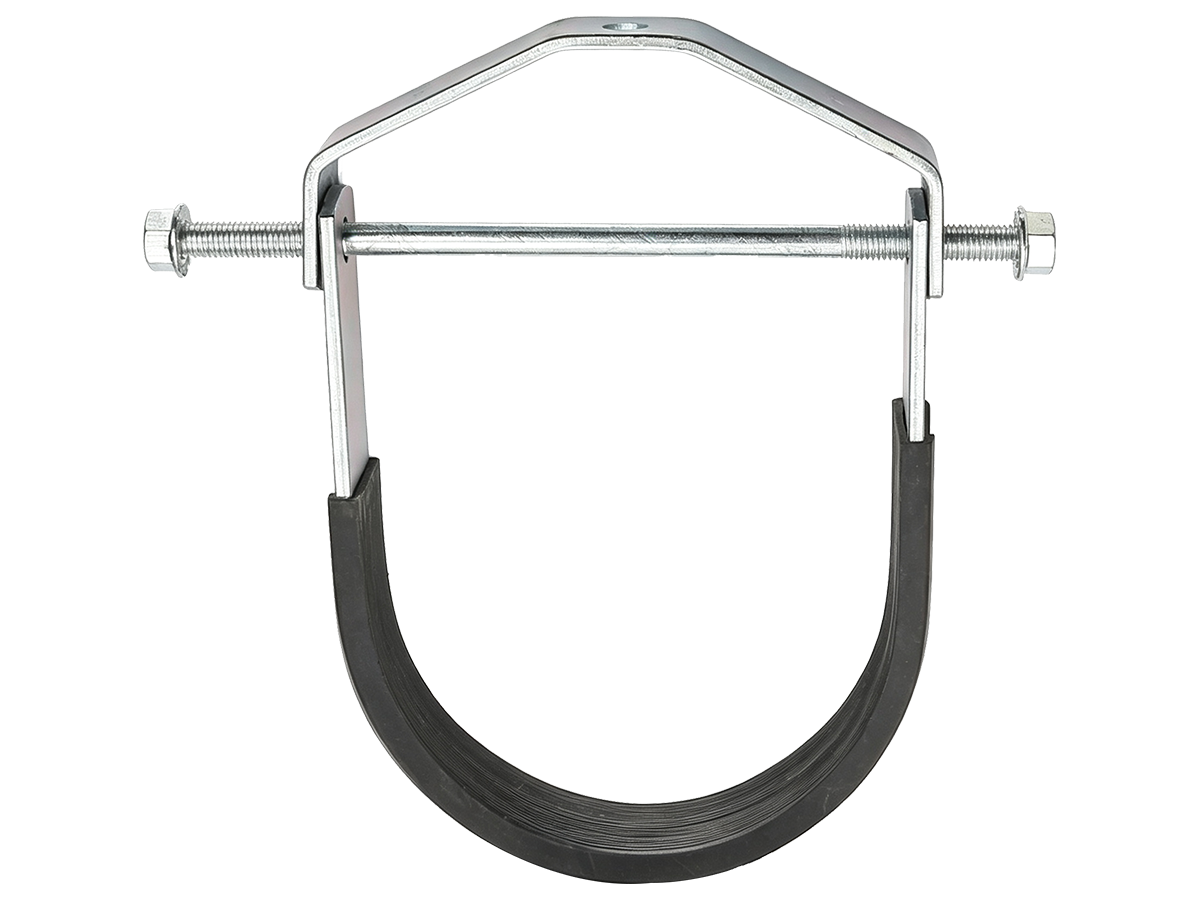
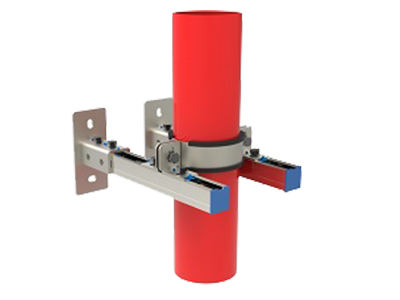
The U-type pipe clamp is a core fitting of seismic supports. It is mainly matched with lateral seismic bracing (diagonal braces perpendicular to the pipeline direction) to restrict the lateral displacement of pipelines. It is widely used for lateral seismic fixing of single fire protection, water supply & drainage and air-conditioning water pipelines. It can also serve as a hoop for ordinary load-bearing hangers.
More
O-type Pipe Clamp for Seismic Supports
The O-type pipe clamp is a dedicated pipe hoop for seismic supports. It is mainly used for longitudinal seismic bracing of single pipes. Cooperating with seismic diagonal braces and C-channel hang rods, it secures fire protection, water supply & drainage, and HVAC pipelines. It restrains the axial displacement of pipelines along the pipe route during an earthquake. Fitted with rubber lining, it achieves vibration and noise reduction and protects the outer wall of pipelines.
More
L Angle Fitting for Seismic Supports
Industry Names: 4-hole corner protector, L-type reinforced corner protector, 90° two-dimensional corner connector, seismic support L angle bracket. Compatible with 41-series C-channels (41×21, 41×41 channels). It is a core load-bearing corner fitting for seismic supports.
More
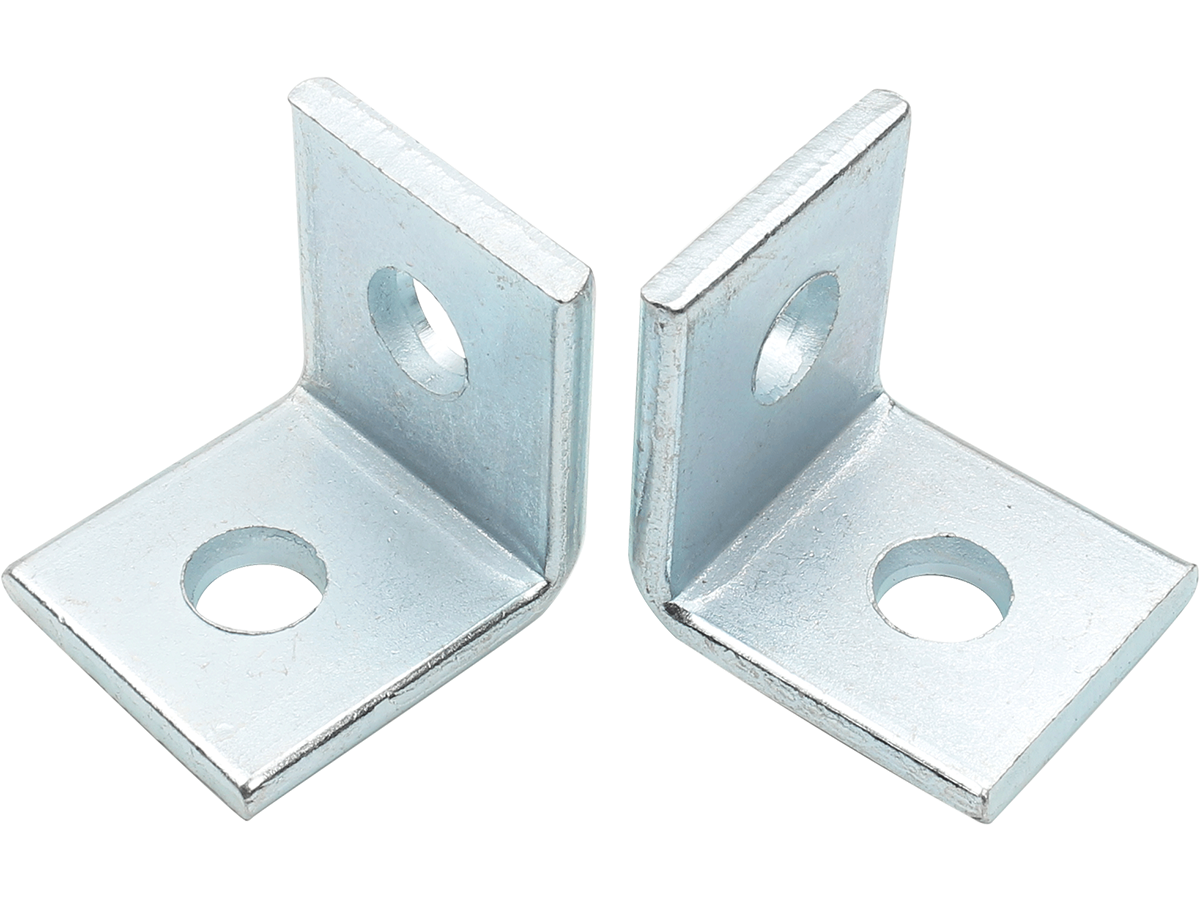
90° Angle Connector for Seismic Bracket
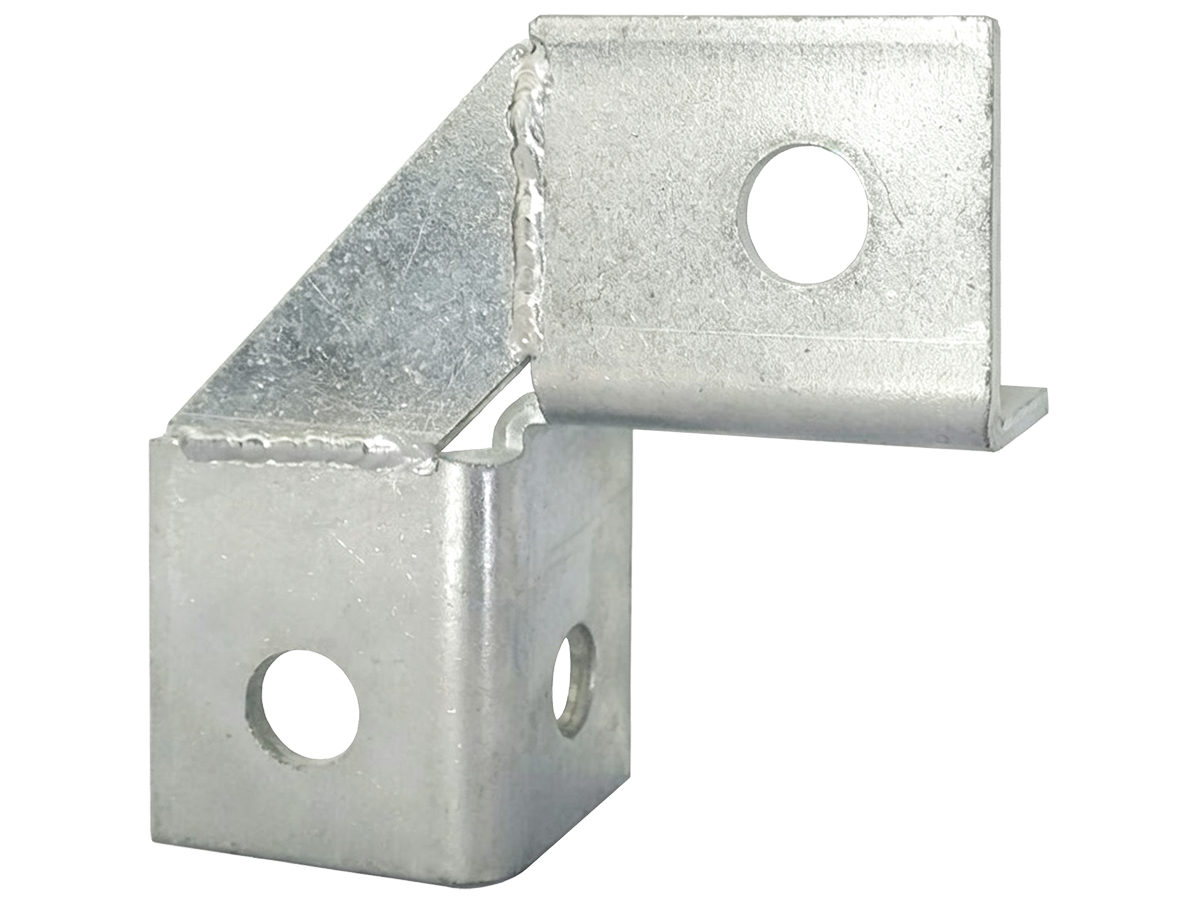
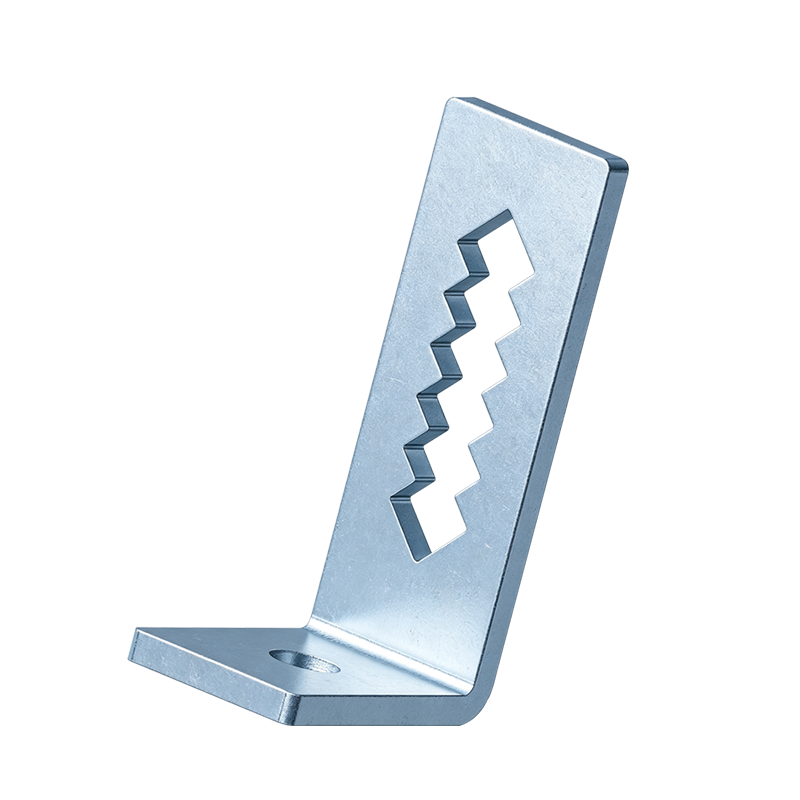
The 90° angle connector, commonly known as L-type right-angle connector or 90° angle bracket, is a core connecting fitting for prefabricated seismic supports and factory-fabricated pipe hangers & supports. It is used for the vertical 90° joint connection of two C-shaped steel channels, enabling right-angle assembly among support uprights, cross arms and diagonal braces. On-site welding is not required; assembly is achieved mechanically via bolts. It meets the load-bearing requirements specified in codes for electromechanical seismic resistance.
More
41*41 steel support arm
The 41×41 type steel cantilever arm refers to a cantilevered support component made from equal-leg angle steel or square steel tubing (typically cold-formed steel) with a cross-sectional side length of 41 mm. This specification offers a balanced profile that combines good structural strength with a lightweight design, facilitating easy on-site cutting and installation. Serving as a horizontal extension arm within a support system, it is primarily designed to bear moderate loads and is commonly used in support and suspension systems for cable trays, lightweight piping, air ducts, and small-scale equipment; it is suitable for industrial and building MEP (mechanical, electrical, and plumbing) installation projects with specific spatial and load-bearing requirements.
More
Double-channel steel cantilever bracket
A double-channel cantilever bracket is a robust horizontal cantilever support component formed by butt-welding two channel steel sections together or joining them with connecting plates. Its dual-channel cross-section design provides exceptional flexural and torsional rigidity, allowing it to serve as a critical element of heavy-duty support systems that extend from the main structure to carry piping, cable trays, or large-scale equipment located beneath. Offering superior load-bearing capacity and stability compared to single-channel brackets, this structure is widely used in industrial facilities, pipe galleries, and large public buildings for cantilevered support applications requiring long spans and heavy load-bearing capabilities.
More
Back-to-back channel steel
A paired-channel section is a structural configuration formed by securely joining two identical channel sections—connected at their webs or flanges via connecting plates (batten plates) or lacing bars—to function as a single, unified cross-section. Its primary purpose is to significantly increase the cross-sectional moment of inertia, thereby greatly enhancing the component's flexural and compressive load-bearing capacities and overall stability, while maintaining cost-effectiveness. Such composite members are widely used in civil and steel structure engineering—for applications such as heavy-duty support columns, chords for long-span trusses, crane main girders, and various other load-bearing structures subject to substantial loads.
More
Single channel steel
A single-channel structural member consists of a single channel section—typically hot-rolled steel of Q235 or Q345 grade—used directly as a primary load-bearing or supporting component. Characterized by a simple cross-sectional profile, it is easy to source, fabricate, and install, while offering good flexural strength and lateral stability. Widely used in civil and steel structure engineering, it serves as an economical and versatile structural element in applications such as small-scale supports, chords for lightweight trusses, equipment bases, pipe brackets, and secondary architectural beams.
More
Urban Utility Tunnel
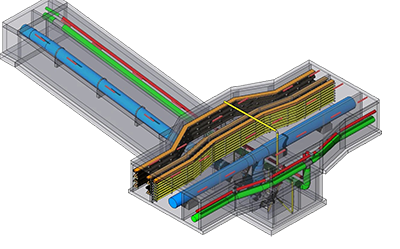
An urban utility tunnel is a public underground tunnel designed to house various municipal utility lines—such as electricity, telecommunications, water supply, heating, and gas—in a consolidated manner. By enabling the intensive construction and management of these utilities, such tunnels effectively prevent repeated road excavations, conserve underground space, extend the service life of utility lines, and enhance disaster resilience, while also facilitating intelligent monitoring and maintenance. As a hallmark of urban modernization, these tunnels safeguard the safety, efficiency, and resilience of a city's "lifelines," serving as a key vehicle for advancing next-generation urban infrastructure and sustainable development.
More
Embedded Channel System for Urban Utility Tunnels
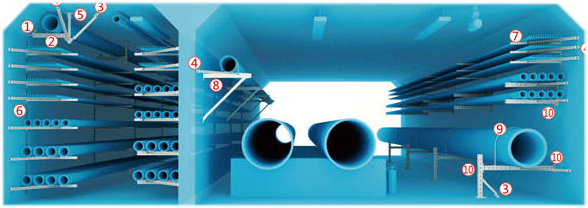
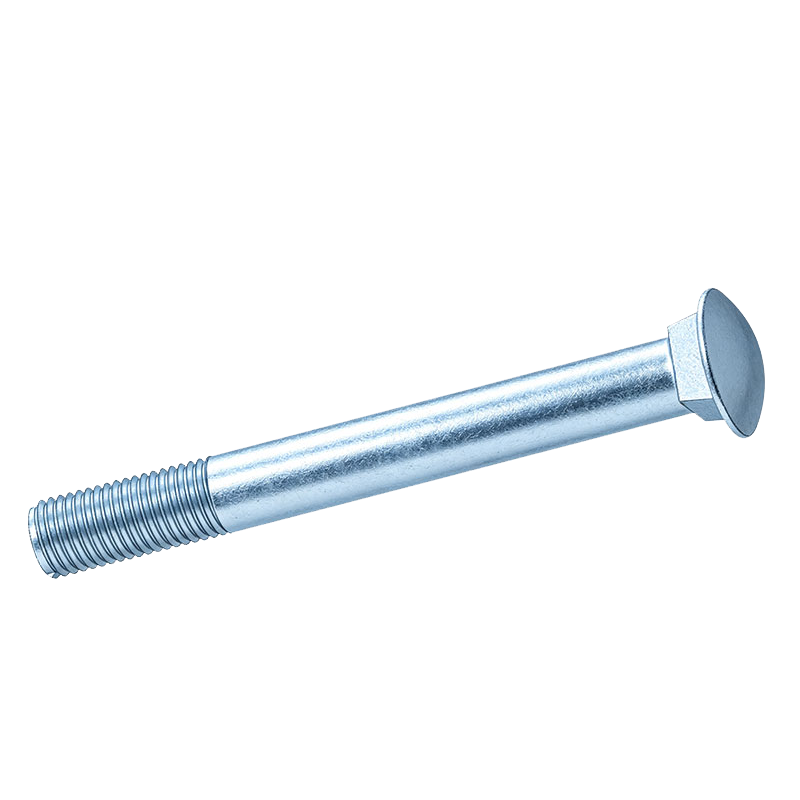
The embedded channel system for urban utility tunnels is a network of standardized channels installed within the concrete structure during the pouring process. Typically composed of C- or T-shaped steel channels and matching T-bolts, the system provides flexible, secure, and adjustable anchor points for mounting various utility supports, cable trays, equipment, and signage. By eliminating the need for post-installation drilling—which can compromise structural integrity—the system greatly simplifies installation, enhances construction efficiency and precision, and facilitates the convenient modification and expansion of internal facilities, serving as a key technology for flexible operation and maintenance throughout the utility tunnel's lifecycle.
More
District heating pipelines in urban utility tunnels
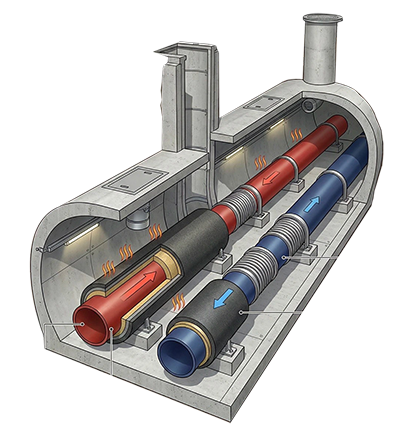
Urban utility tunnel heating pipelines refer to centralized heating pipeline systems installed within underground urban utility tunnels. By integrating heating pipelines with other municipal utilities—such as water supply and drainage, power, and telecommunications—into a single, consolidated tunnel space, the system enables unified planning, construction, and management. This approach effectively avoids repeated road excavations, enhances space utilization, and facilitates pipeline maintenance and intelligent monitoring. Furthermore, the tunnel environment allows for superior control over thermal insulation, safety protection, and thermal displacement management, representing a key direction in the development of modern urban heating infrastructure.
More
Power lines in urban utility tunnels
Urban utility tunnel power lines refer to power cable systems centrally installed within underground utility tunnels. These systems integrate high-, medium-, and low-voltage cables into a single underground corridor, where they are planned, constructed, and managed alongside utility lines for water supply, drainage, heating, and telecommunications. By enabling the intensive installation of power lines, the system eliminates the need for repeated road excavations, prevents damage to the urban landscape, and mitigates safety hazards associated with traditional direct-burial or overhead methods, thereby significantly enhancing space utilization efficiency. The internal environment facilitates cable heat dissipation, fire and moisture protection, and intelligent monitoring and maintenance; as such, it serves as core infrastructure for ensuring safe and reliable urban power supply while enhancing the resilience and modernization of the power grid.
More
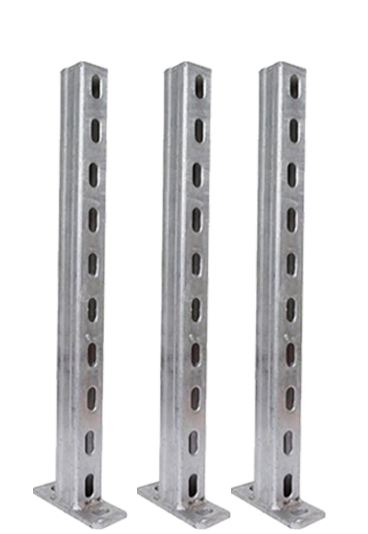
Single-column riser
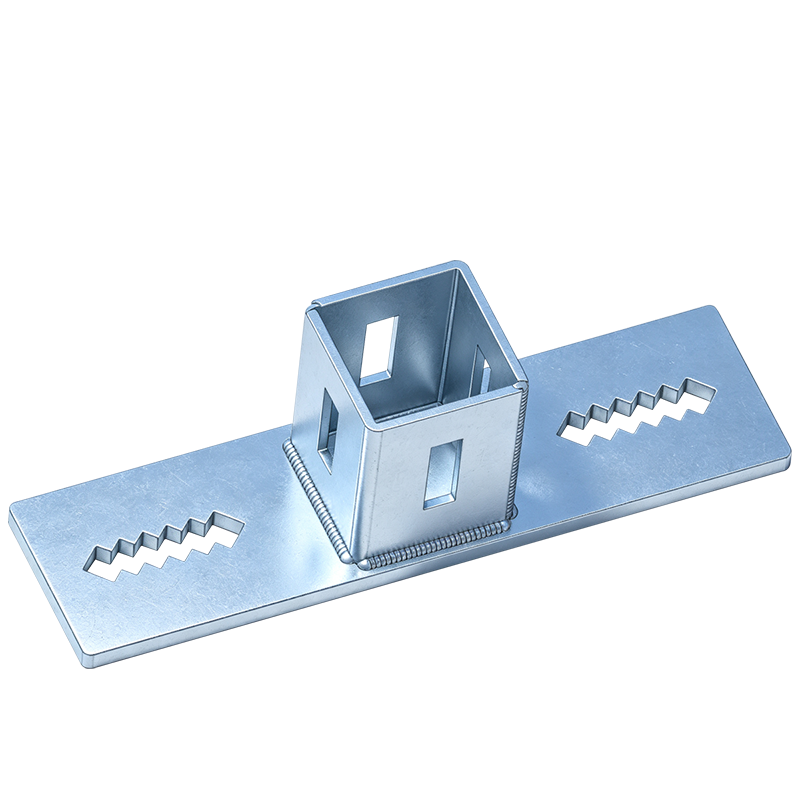
A single-column riser support is a simple structural arrangement for the vertical support of piping, consisting of an independent upright column topped with a pipe clamp or bracket. It is primarily designed to bear the vertical load of a single pipe while utilizing its inherent rigidity and foundation to provide a degree of lateral stability. Characterized by a compact footprint and installation flexibility, this structure is suitable for supporting light-to-medium-duty piping—such as that routed along walls or columns or in space-constrained areas—and is commonly used to secure risers in building plumbing, fire protection, and ventilation systems.
More
  • First
  • Prev
  • 1
  • 2
  • Next
  • Last

Tel:+86 0510-85055897

+86 13861761138(Ye)

Factory:No. 5 Luoshen Road, Huishan District, Wuxi City, Jiangsu Province

Address:15th Floor, Yuanrong Development Center, Liangxi District, Wuxi City, Jiangsu Province

About Senji Company Profile Honorary Qualifications Factory Show
Product Seismic Bracing Series Comprehensive Support Hangers Utility Tunnel Support Systems heavy-load seismic bracing
Case Public Buildings Commercial Residential Industrial Factory Educational and Medical Rail Transit
News Company News Industry News FAQ
© 2026 Jiangsu Senji Architectural Engineering Technology Co., Ltd. All Rights Reserved Powered by:Bontop