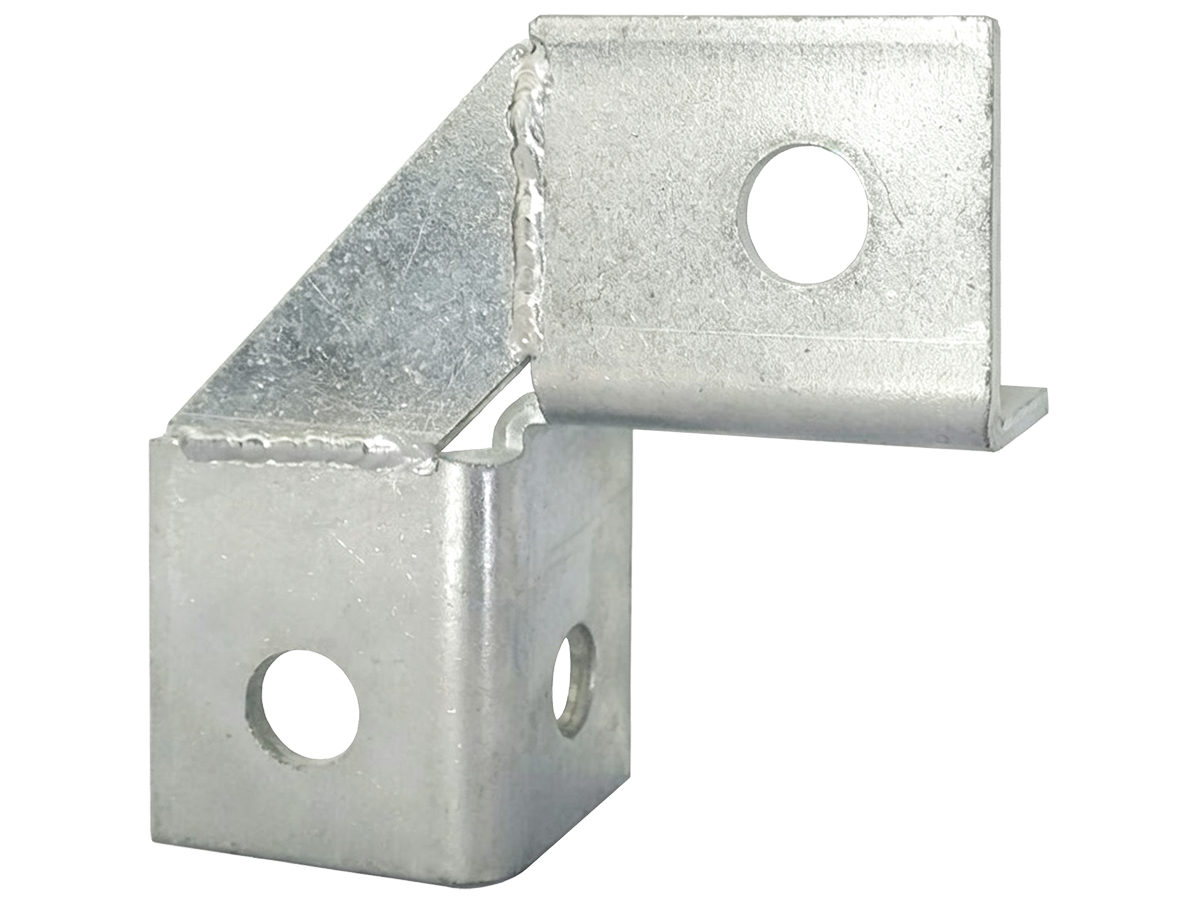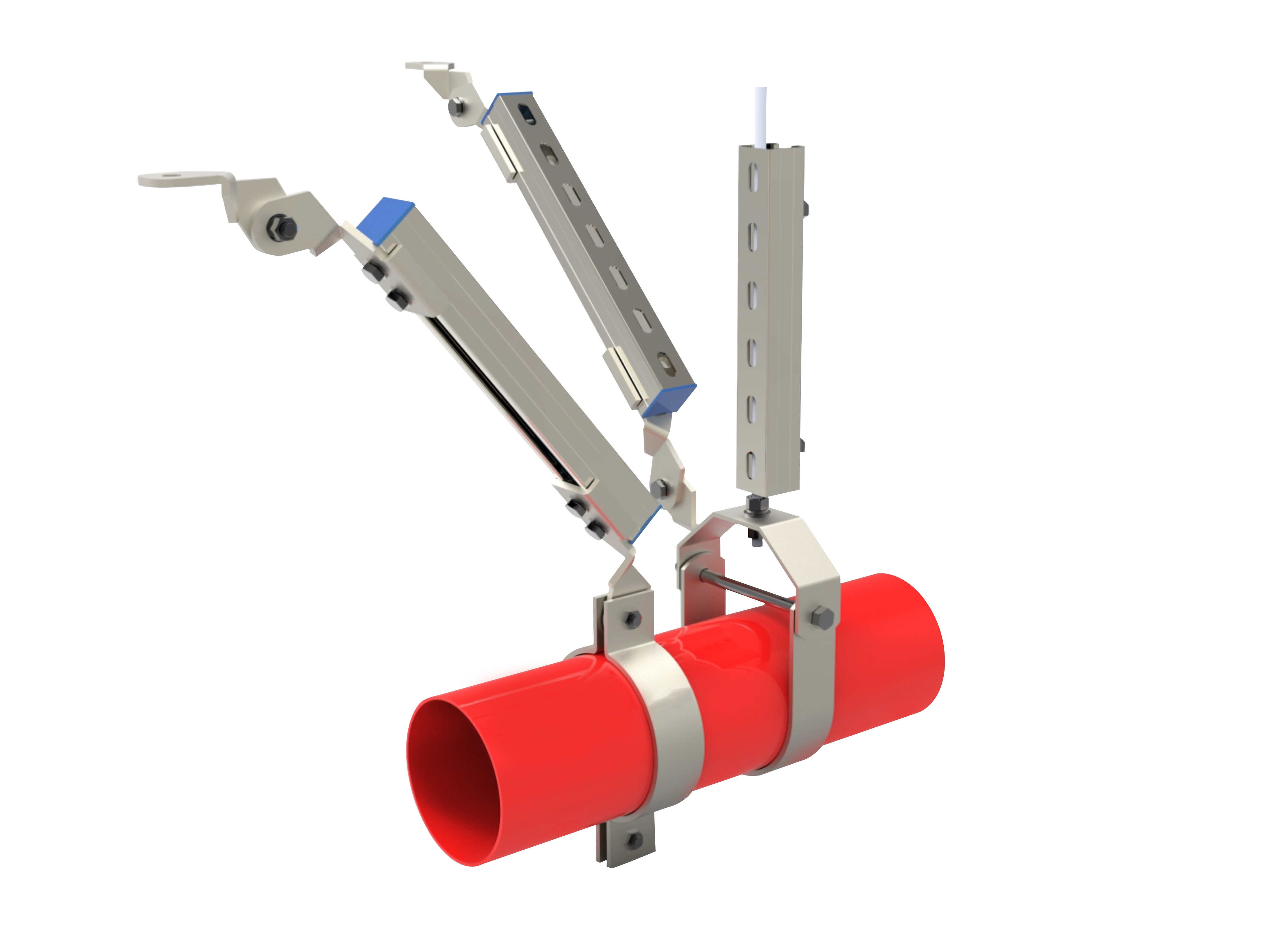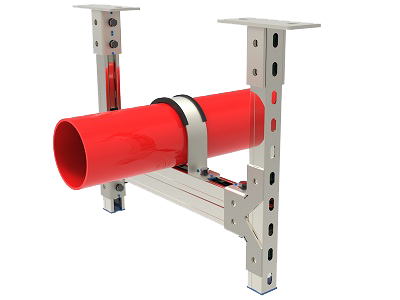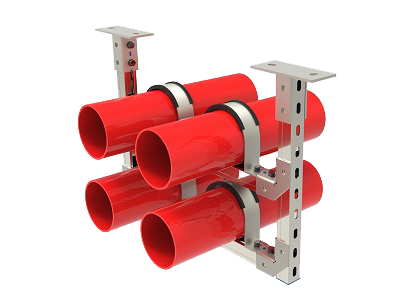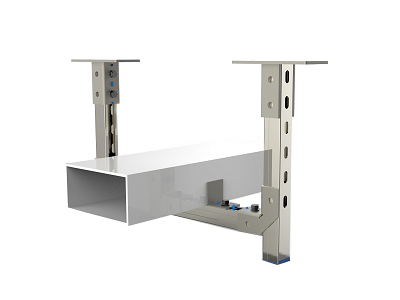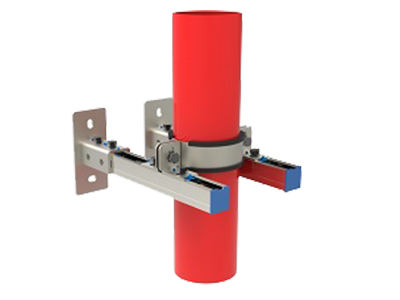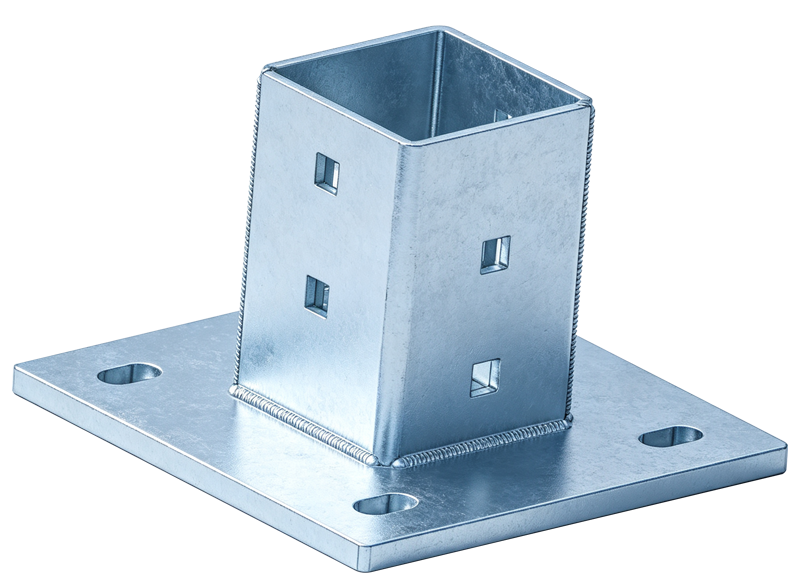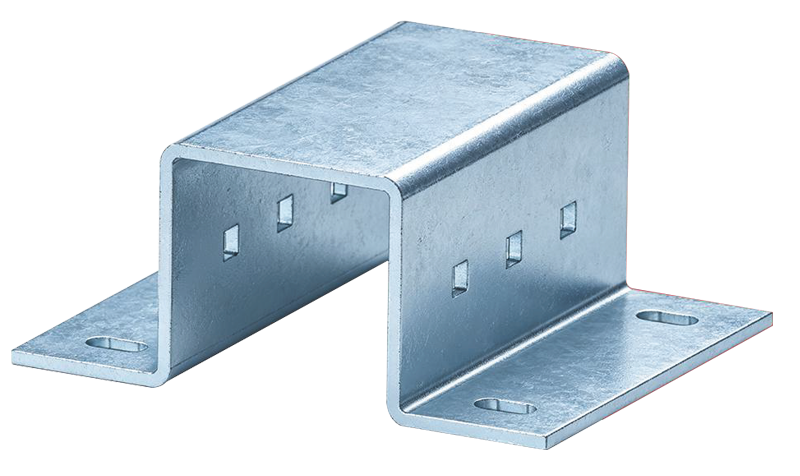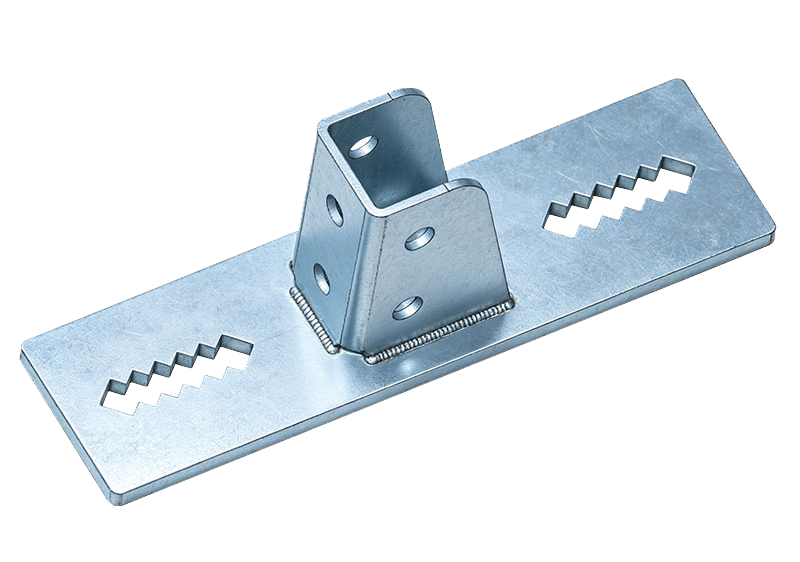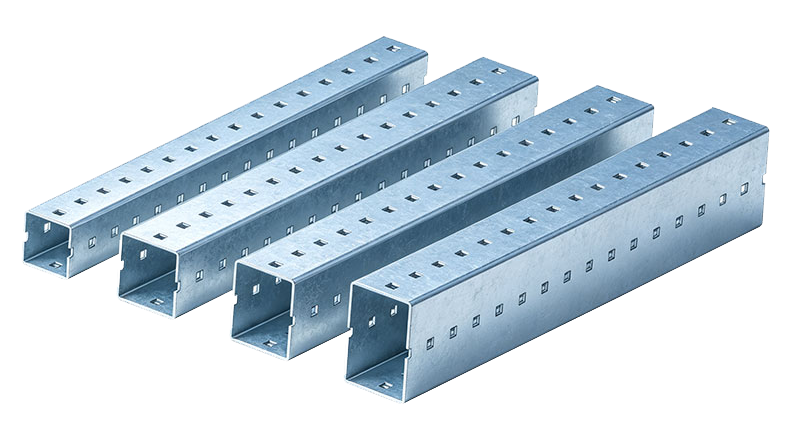

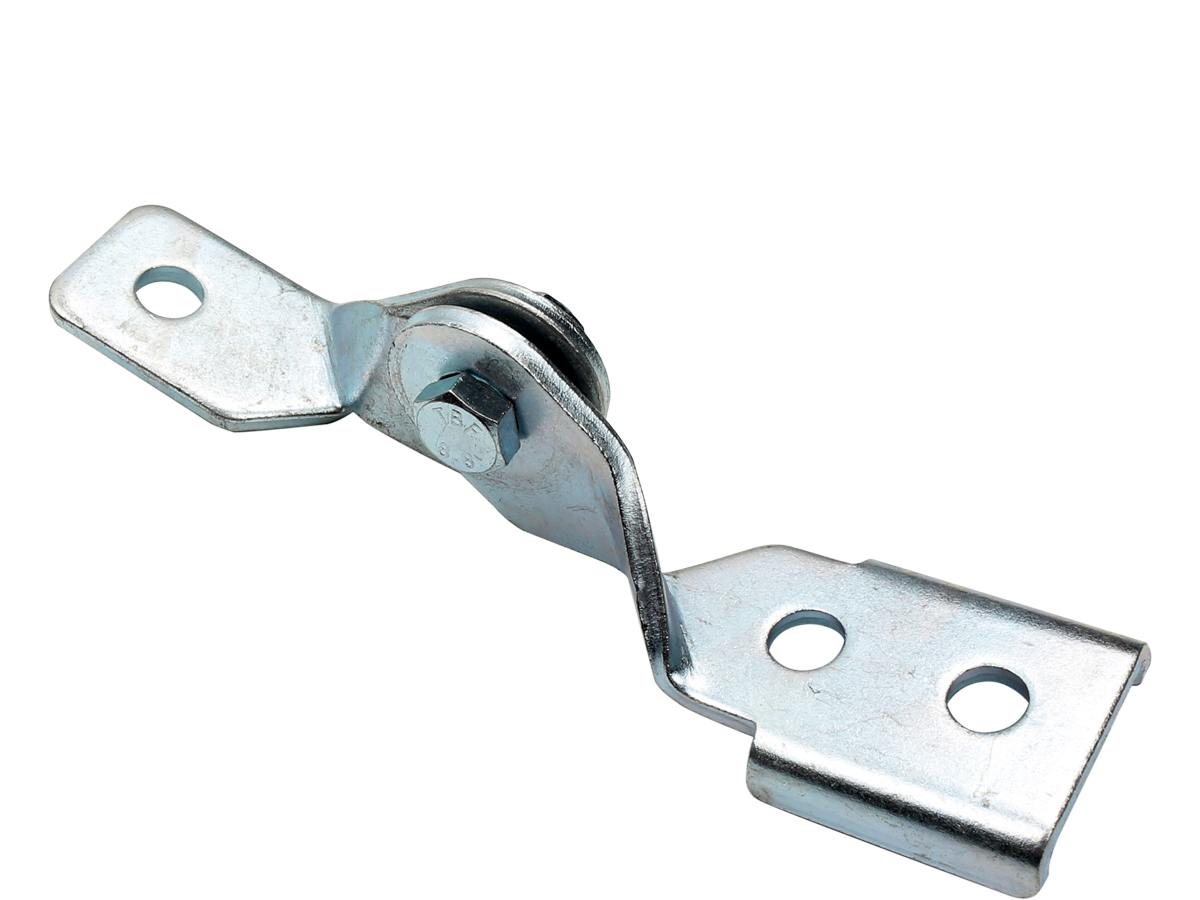
Seismic hinge, also referred to as seismic joint or universal seismic connector, is a core load-bearing component of seismic bracing. It is normally matched with 41-series C-channels (single/double C-channel) and bracing struts to connect struts to main beams or structural bases and achieve adaptive angle adjustment.Material: Q235B steel, mainly hot-dip galvanized; 304 stainless steel is adopted for some high-standard projects.Matching parts: M10/M12 high-strength bolts and lock nuts.
✅ Connection nodes of seismic bracing struts for fire pipelines, water supply & drainage pipelines and ventilation ducts
✅ Connection points at both ends of struts for lateral and longitudinal seismic supports
✅ Various prefabricated seismic support and hanger systems for mechanical and electrical pipelines
The bracing installation angle shall be strictly controlled within 45°~60°; bearing capacity will decrease significantly beyond this range.
Hinge bolts must be tightened in accordance with designed torque, and anti-loosening components shall be installed.
Simple angle iron and ordinary connecting plates shall not be used to replace dedicated seismic hinges.
Seismic hinges shall be installed at both ends of each set of bracing struts; rigid fixing at one end is not allowed.
Welding, drilling or modification on hinges is strictly prohibited, as these operations will damage the load-bearing performance of components.
The bracing angle can be flexibly adjusted within the code-specified range of 45°~60°, adapting to complex on-site conditions with varied pipeline elevations without cutting special-shaped components on site.
When minor deformation occurs due to support installation or thermal expansion and contraction, the hinge allows slight rotation to avoid additional bending moment on struts. It ensures members bear only axial tension or compression, complying with seismic mechanical design principles.
It guarantees that bracing struts transmit only axial loads during earthquakes, prevents eccentric loading, and avoids distortion and instability of supports.
No on-site welding is required; all components are bolt-connected. It accelerates construction and avoids damage to galvanized anti-corrosion coating caused by field welding.
Adopting hot-dip galvanizing process, the hinge resists rust during long-term service in underground parking lots and humid machine rooms, extending the overall service life of seismic bracing systems.
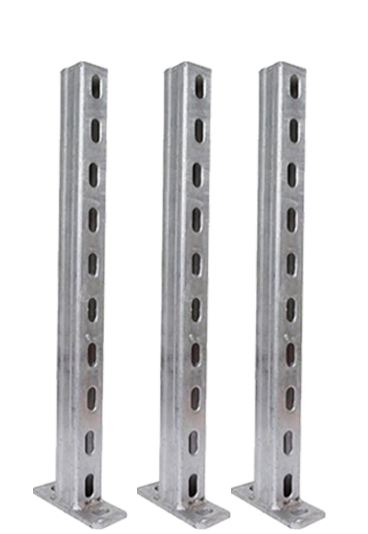
Compatible with national standard 41×21, 41×41, 41×62 C-channels, and applicable to complete systems consisting of single C-channels, double C-channels and threaded rods.
Matched with spring washers and lock nuts to withstand reciprocating seismic vibration and prevent bolts from loosening and falling off.

Hi! Welcome back.
How are you doing?