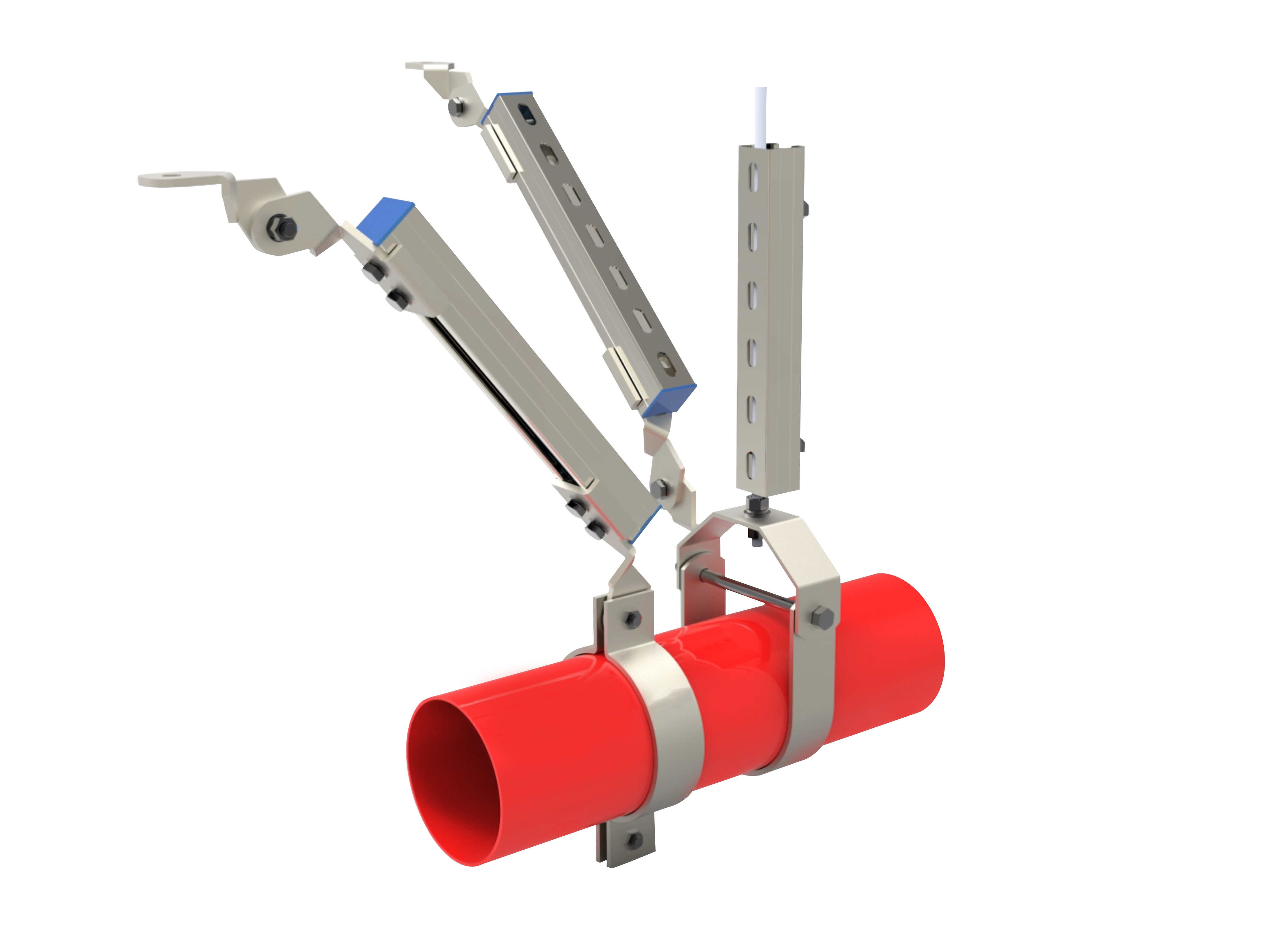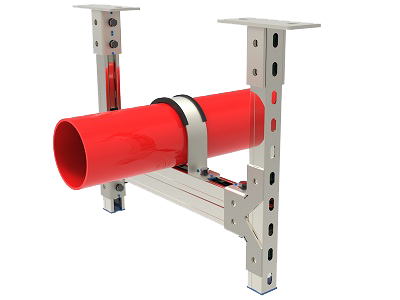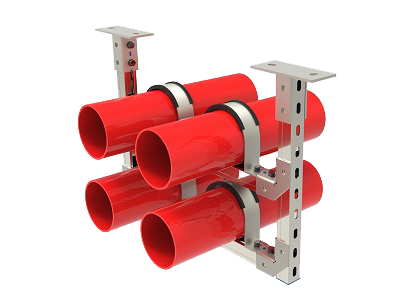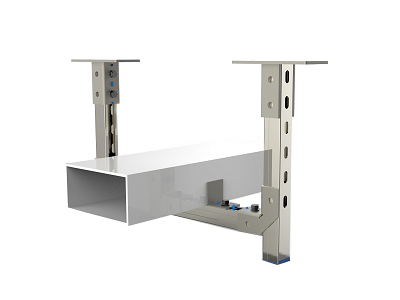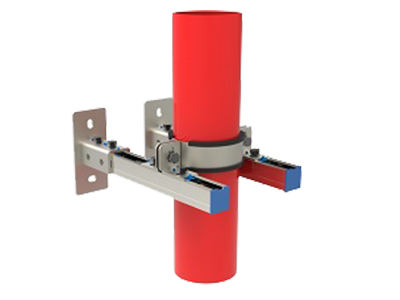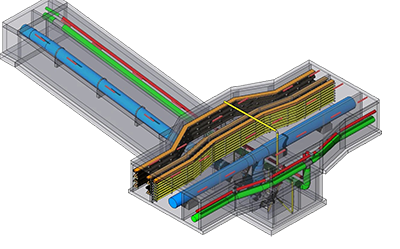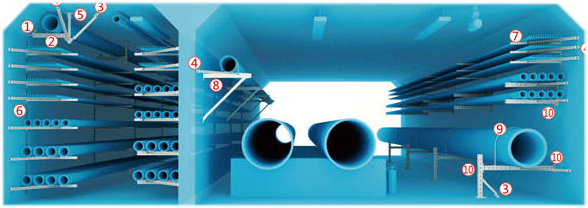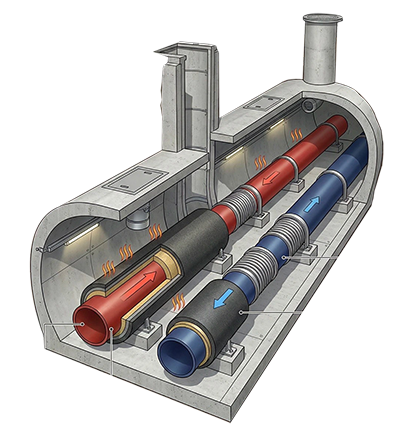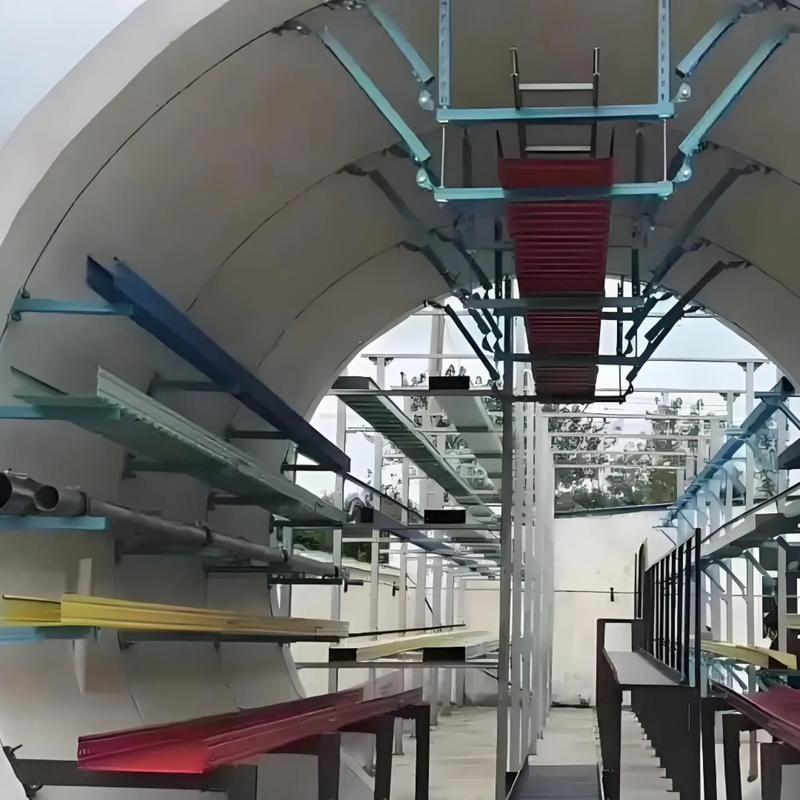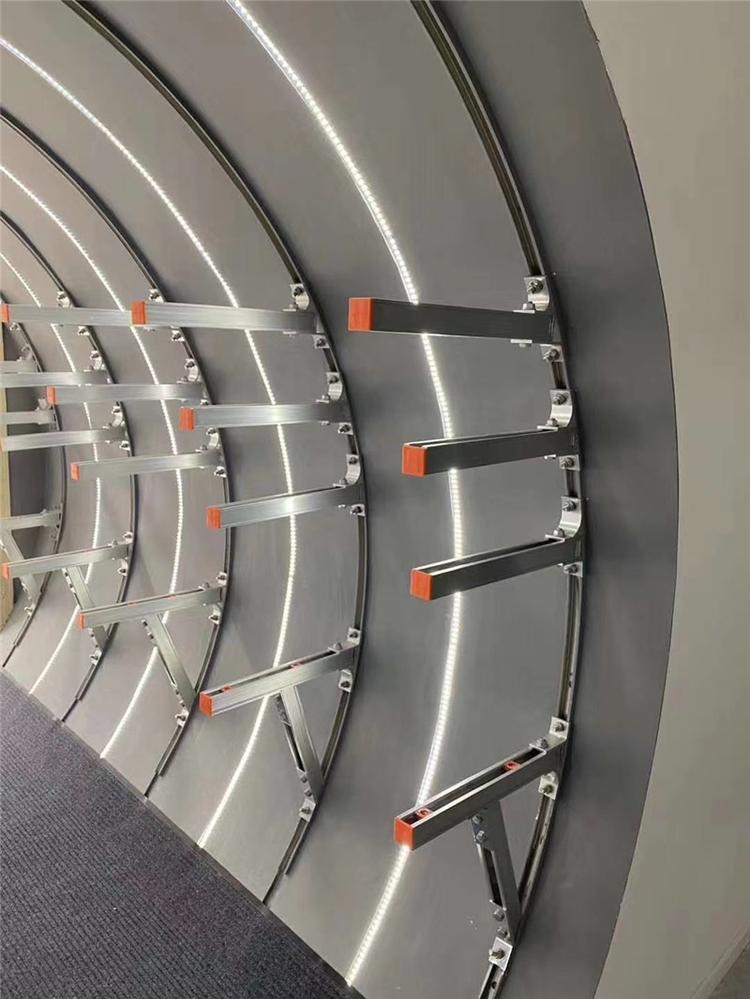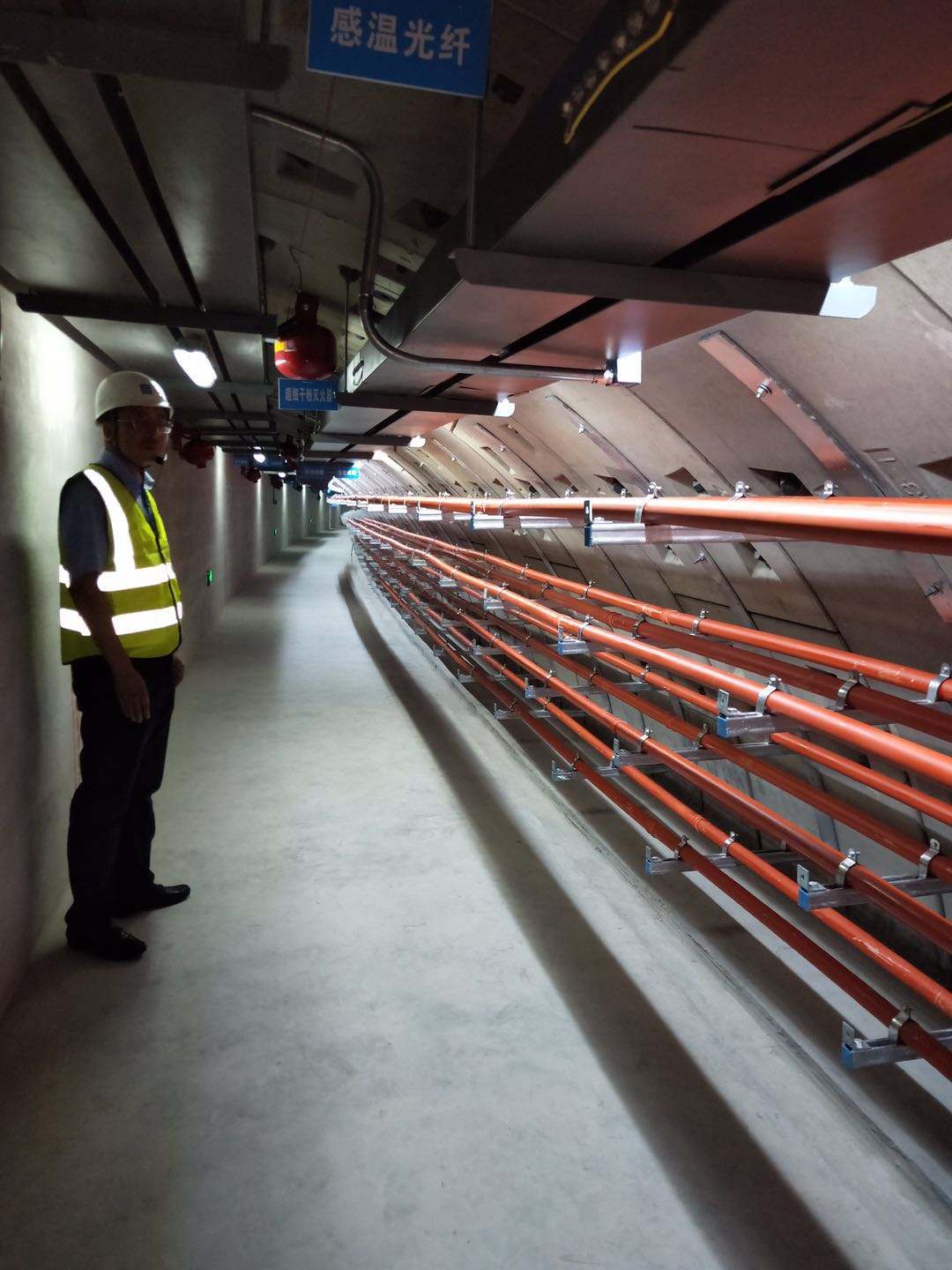

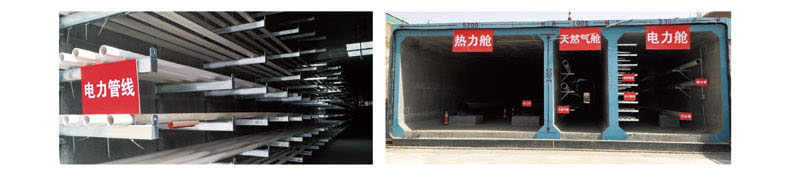
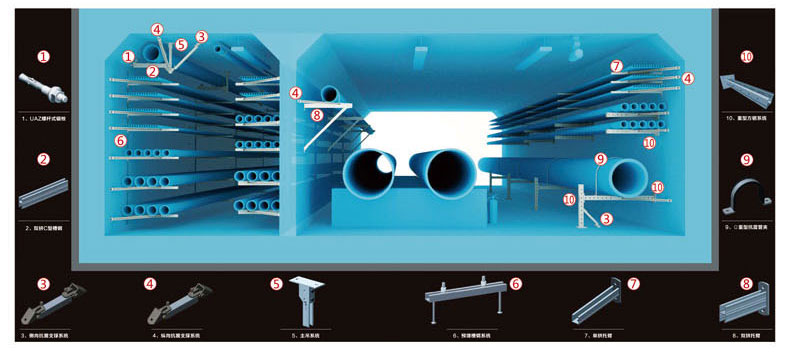
Also known as a common duct, it is an underground municipal tunnel built in cities. Municipal pipelines including power, communication and water supply pipelines are arranged centrally within a single structure in accordance with planning requirements, with unified planning, design, construction and management. It fundamentally solves the messy situation where different pipelines were constructed and managed separately in the past.For pipeline maintenance, road excavation is not required. Maintenance staff and engineering vehicles can access the underground tunnel via inspection passages to carry out works. This avoids disruptions to surface traffic, reduces waste caused by repeated road excavation, saves land resources, cuts down manhole installations on roads, lowers pipeline maintenance costs and extends pipeline service life.The utility tunnel falls under lifeline engineering. Its seismic fortification intensity shall be upgraded by one level. Seismic design shall be performed with the local seismic fortification intensity increased by one grade. Mechanical and electrical systems of the structure shall adopt rigorous seismic design complying with Code for Seismic Design of Building Electromechanical Engineering (GB50981-2014) and General Technical Specification for Seismic Supports and Hangers for Building Electromechanical Equipment (CJ/T476-2015). Please consult professional engineers at Senji for detailed design solutions."Lifeline engineering" refers to facilities that sustain urban operational functions and projects exerting significant impacts on national economy and people’s livelihood, namely urban lifeline engineering.Urban lifeline engineering must be equipped with adequate seismic resistance, flexible response capacity and rapid recovery capability.
It mainly covers:
(1) Transportation engineering: railways, highways, ports, airports, etc.;
(2) Communication engineering: broadcasting, television, telecommunications, postal services, etc.;
(3) Power supply engineering: substations, power hubs, power plants, etc.;
(4) Water supply engineering: water source reservoirs, waterworks, water supply pipe networks, etc.;
(5) Gas and oil supply engineering: natural gas and coal gas networks, gas storage tanks, gas plants, oil transmission pipelines, etc.;
(6) Sanitary engineering: sewage treatment systems, drainage pipelines, environmental sanitation facilities, medical rescue systems, etc.;
(7) Fire protection engineering, and other related works.
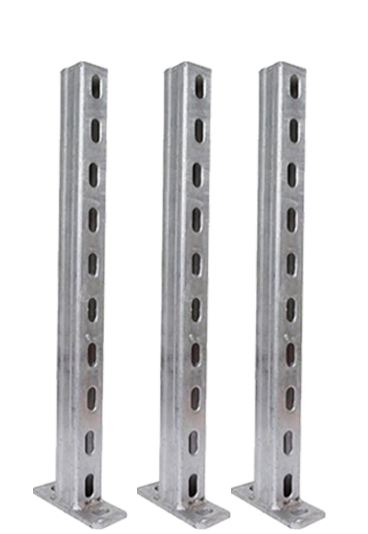
Embedded channel steel is adopted to fix components. The construction procedure is simplified with no welding required. It cuts labor costs and greatly shortens the construction time for component installation.
Step 1: Determine the length of embedded channel steel according to on-site conditions and prepare installation materials. Mark the exact position of channel steel before concrete pouring and fix it onto the formwork.
Step 2: After stripping the concrete formwork, quickly remove the filling foam inside the channel steel using pull strips. Only the filler within the applicable installation range needs to be cleared, and auxiliary tools can be used as appropriate.
Step 3: Bracket assembly. Various T-bolts can be inserted at any position along the channel groove. Press and rotate the bolt to engage the lower teeth of the T-bolt with the internal teeth of the channel steel. Mount the matching brackets, then tighten the nuts to complete the installation.

Hi! Welcome back.
How are you doing?