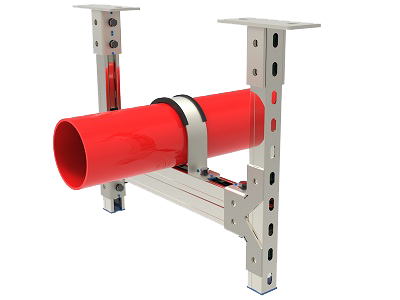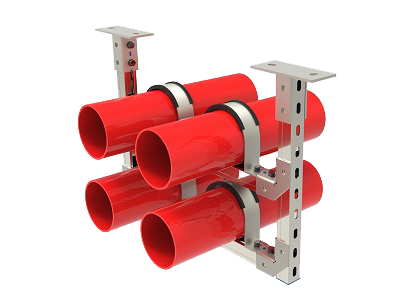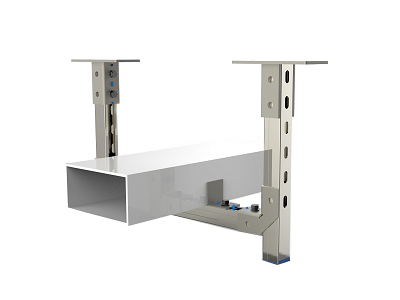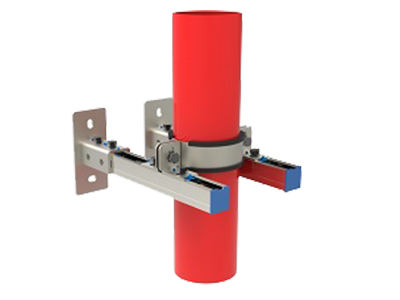

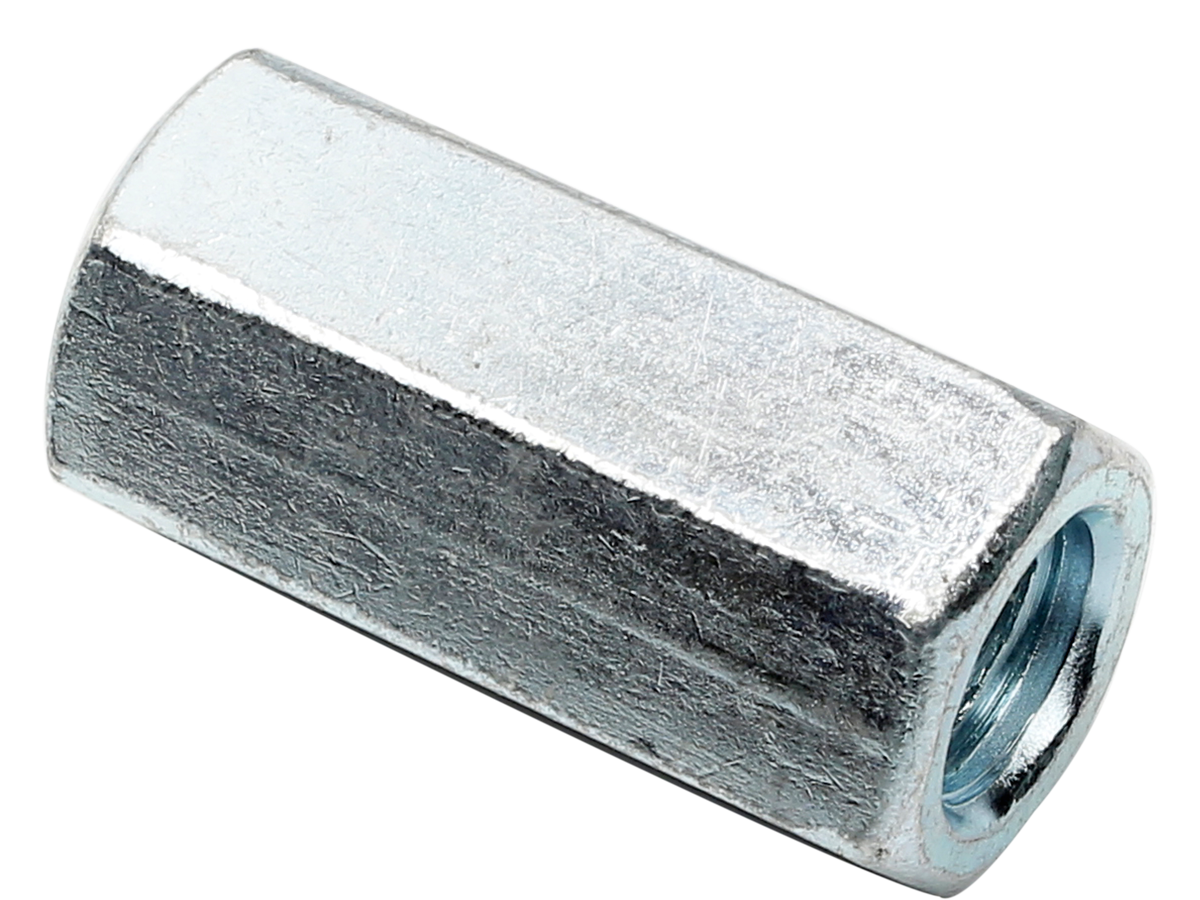
The threaded rod coupler is a hexagonal sleeve with internal threads on both ends, used to join and extend two sections of fully threaded hanger rods. It is a standard connecting component for vertical hangers of seismic bracing.Material: Q235B carbon steel, hot-dip galvanized.Common specifications: M10, M12, M14, M16 (M10 and M12 are mainstream sizes for seismic bracing).Applicable standards: GB50981, CJ/T476, CECS420.
When the on-site hanger rod is insufficient in length, there is no need to re-cut new materials. The coupler connects two threaded rods to suit different ceiling elevations and reduce material waste.
The overall length of the hanger can be slightly adjusted by rotating the coupler to calibrate the horizontal level of supports and reduce on-site cutting work for threaded rods.
All connections are assembled via threads, complying with the code prohibiting on-site welding for seismic bracing, and the galvanized anti-corrosion coating will not be damaged.
Qualified couplers feature sufficient wall thickness. They can reliably transmit axial tension under reciprocating seismic vibration and meet seismic mechanical requirements.
Adopting hot-dip galvanizing technology, the coupler resists corrosion in underground parking lots and humid machine rooms, matching the service life of the complete seismic bracing system.
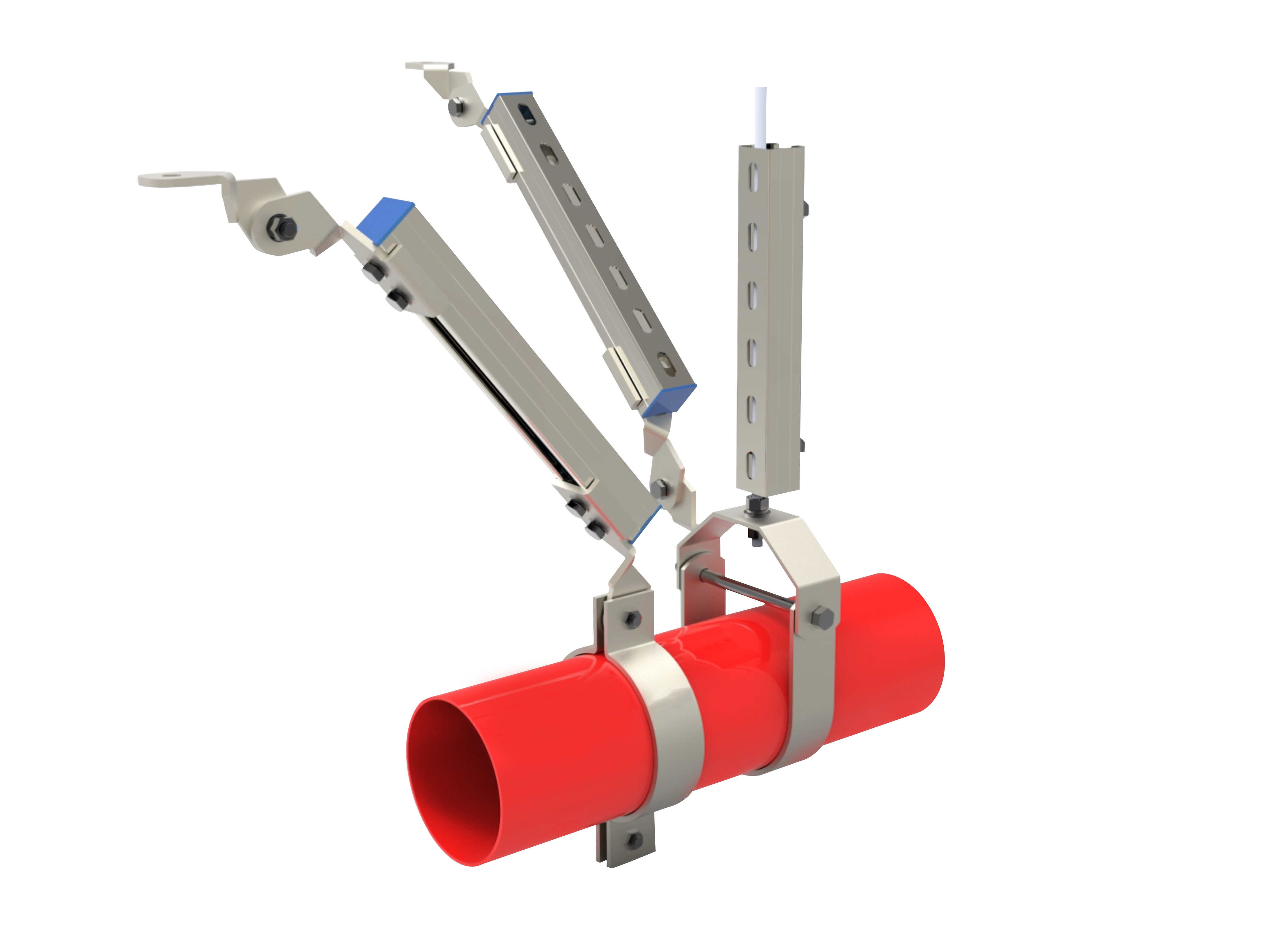
Compatible with national standard fully threaded hanger rods, and matched with complete components including single C-channels, seismic hinges and pipe clamps for easy procurement.
✅ Extension of vertical hangers for seismic supports of fire protection, water supply & drainage and ventilation duct systems✅ Electromechanical supports and hangers for high floor heights where single threaded rods are not long enough✅ Prefabricated seismic bracing systems for utility tunnels and underground parking lots
Each threaded rod shall engage into the coupler by no less than 45% of the total coupler length. Engagement depth on both ends shall be balanced; partial short-thread lap joint on one side is prohibited.
After splicing, install lock nuts on both sides of the rods against the coupler end faces to resist continuous seismic vibration and prevent coupler loosening.
Deburr threaded rods after on-site cutting and implement anti-corrosion treatment on cut surfaces to avoid thread rust and jamming.
The verticality deviation of assembled hangers shall not exceed 4° to avoid eccentric loading.❌ Prohibited practicesOrdinary thickened nuts shall not replace dedicated threaded rod couplers; partial shallow engagement of threaded rods for lap load bearing is forbidden.
Material: Q235B carbon steel, hot-dip galvanized
Common specifications: M10, M12, M14, M16 (M10 and M12 are the mainstream sizes for seismic bracing)
Applicable standards: GB50981, CJ/T476, CECS420

Hi! Welcome back.
How are you doing?