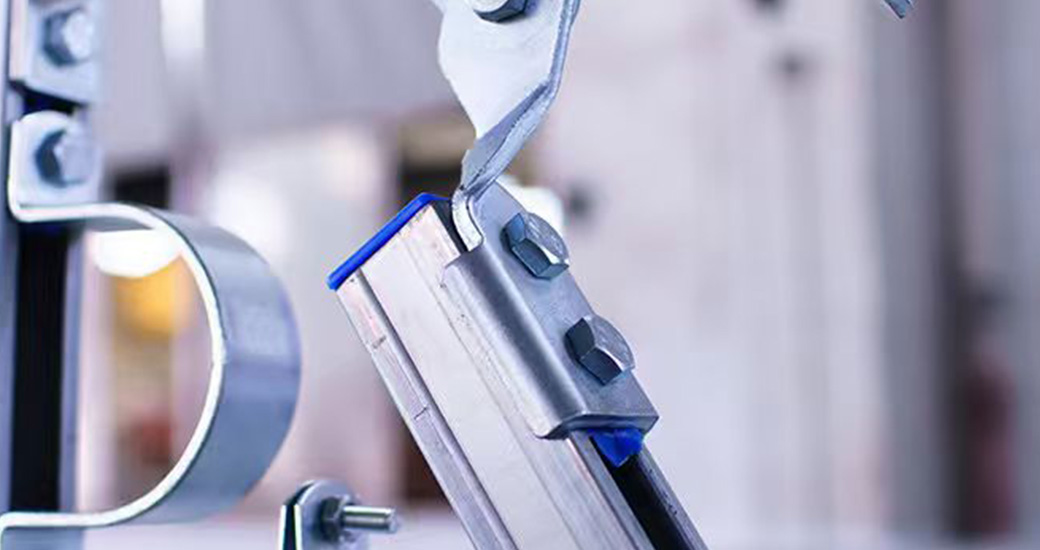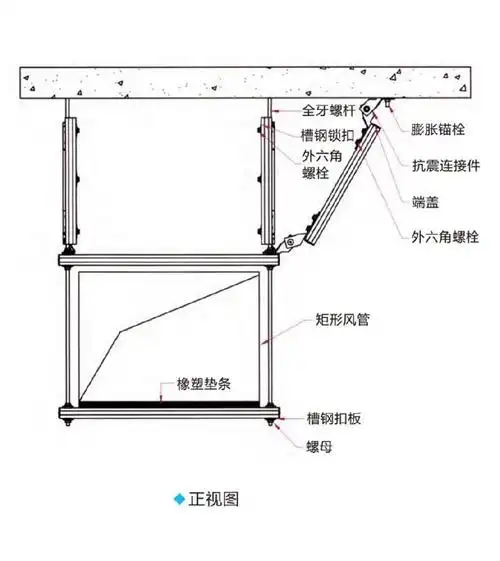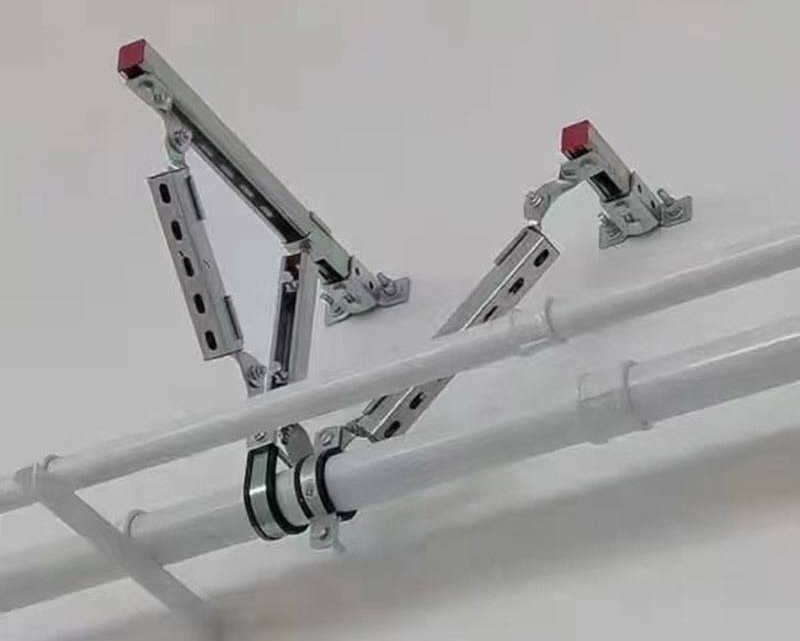

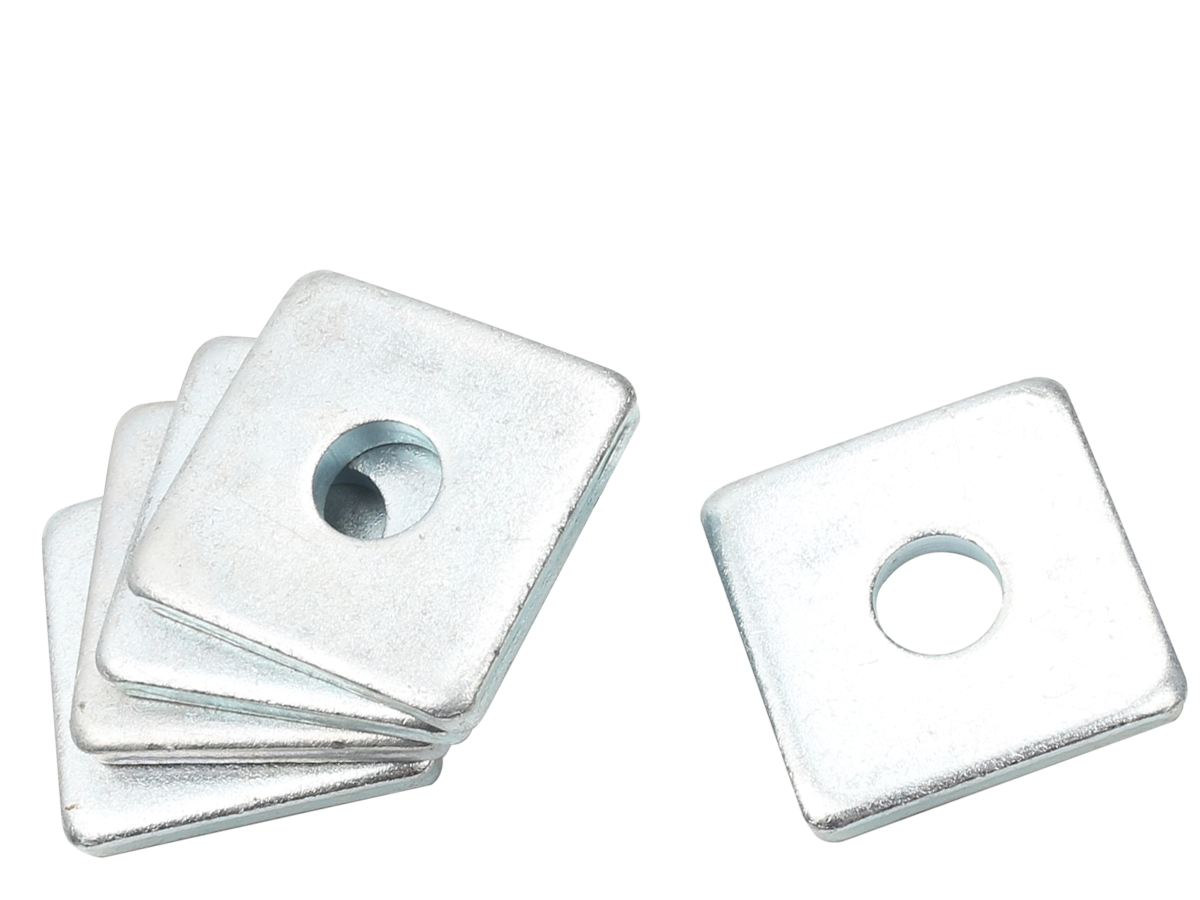
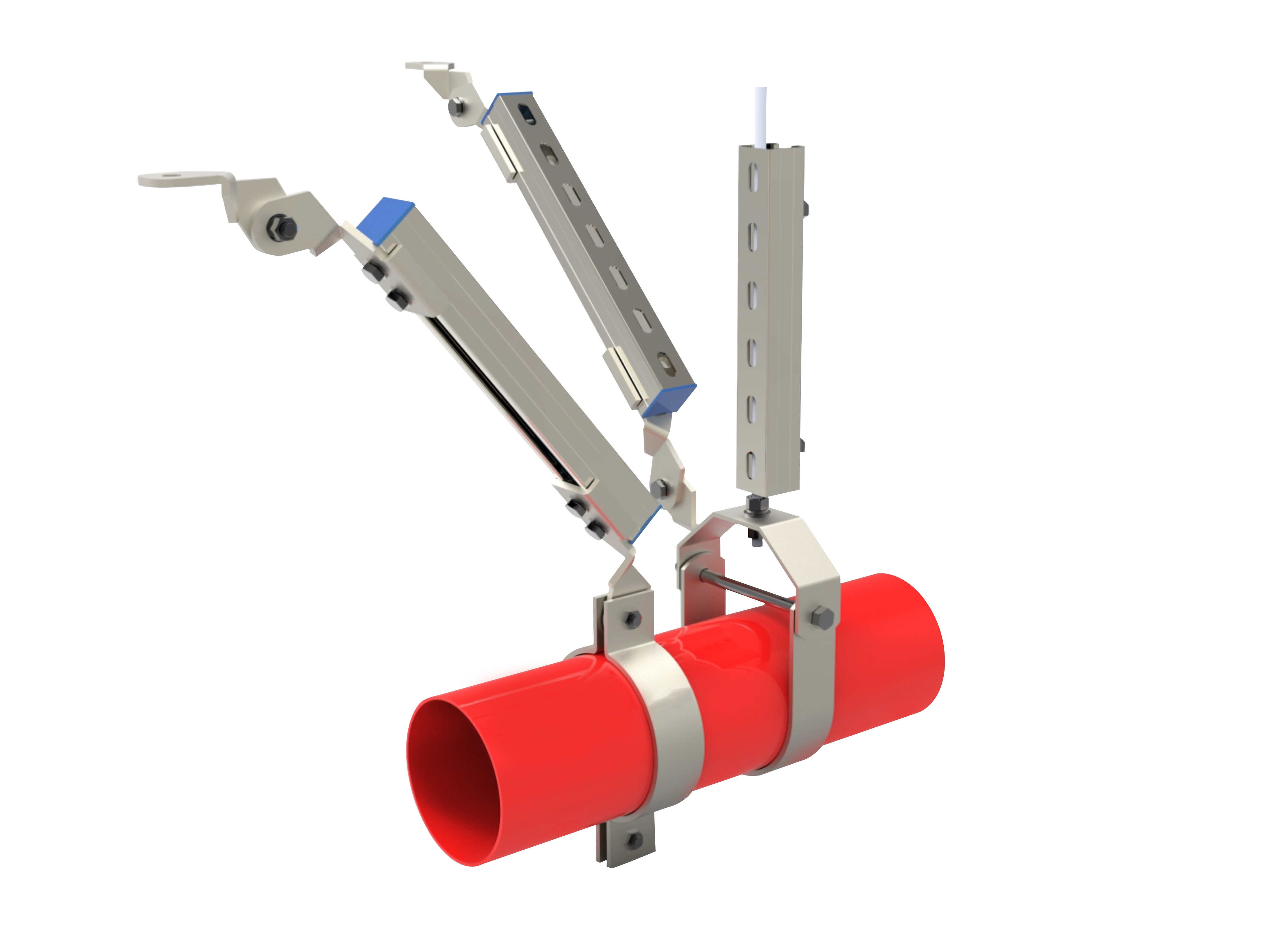
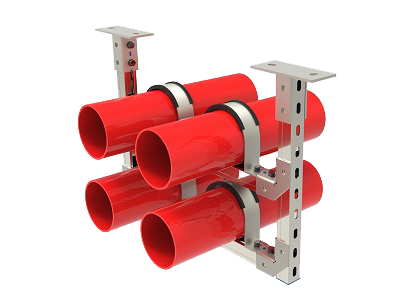
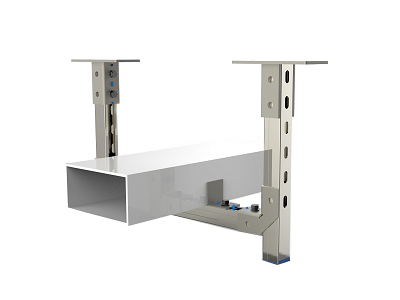
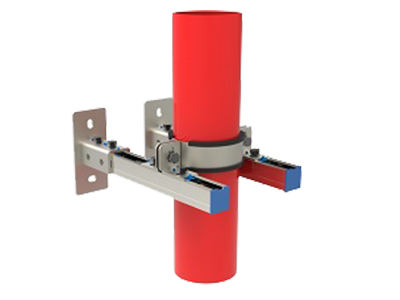
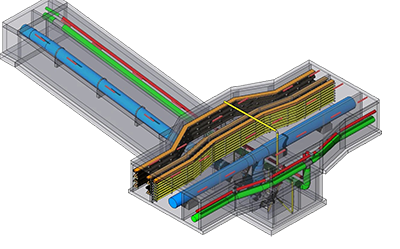
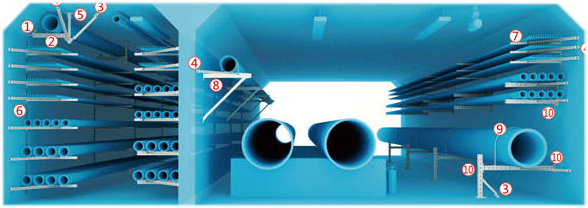
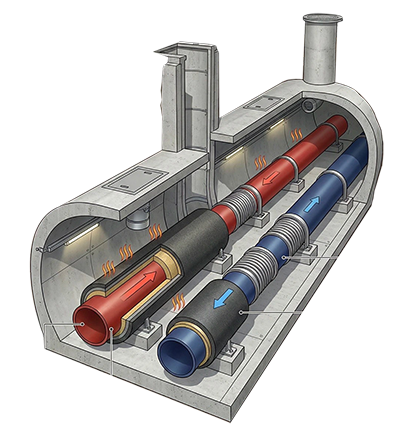
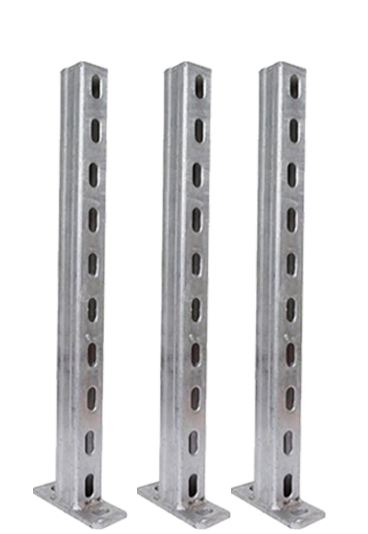
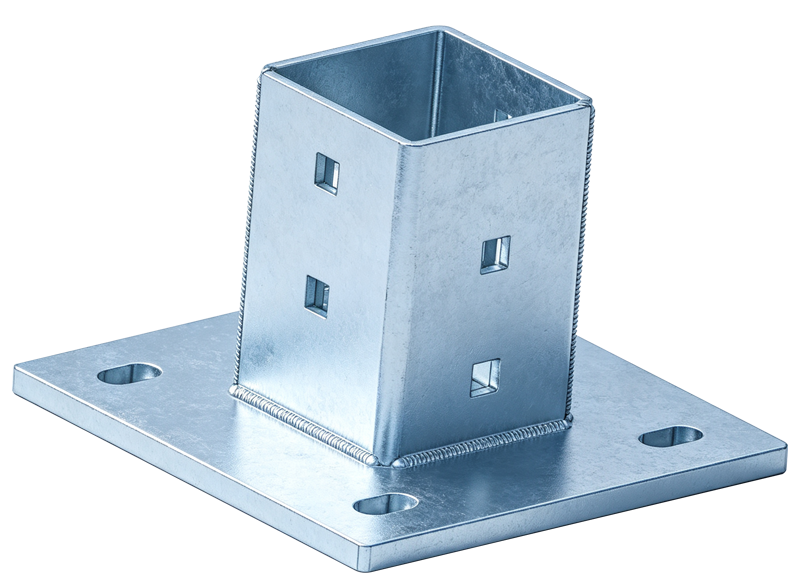
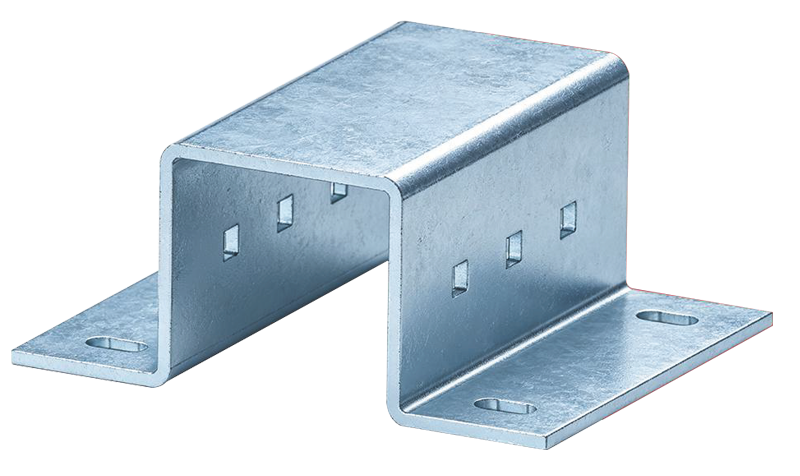
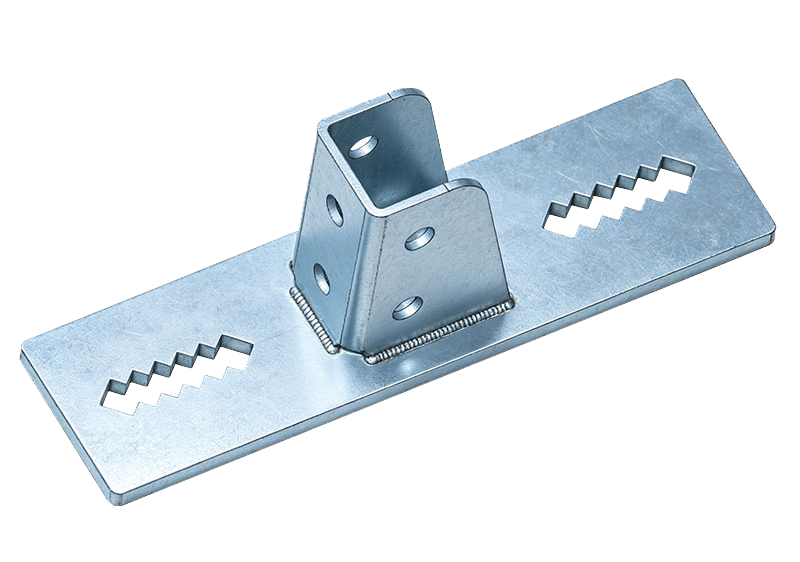
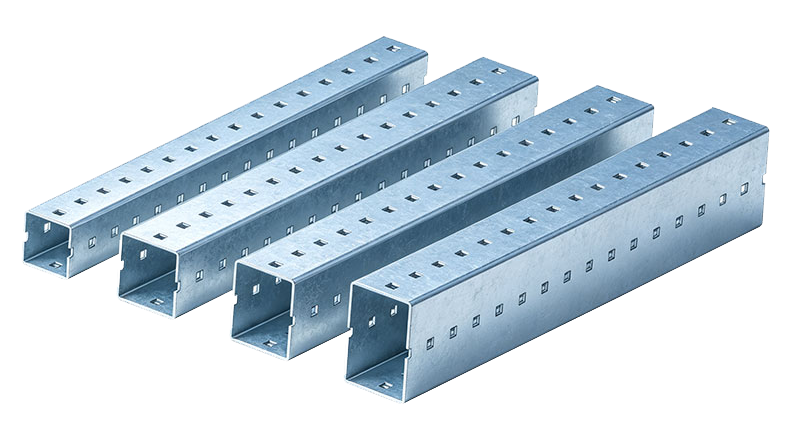
Installation procedures vary depending on the type of seismic support. Generally, installation of seismic supports and hangers can begin once the building's civil construction is substantially complete and conditions for electromechanical installation are met (or installation is already underway). There are four main types of seismic supports: single water pipe systems, single air duct systems, single cable tray systems, and combined systems. The installation steps for these four types are briefly outlined below:
I. Installation steps for single-pipe supports: Depending on the specific installation type, the process generally involves: measurement and anchor bolt positioning → cutting → installation of the main hanger → installation of the diagonal brace → installation of the reinforcement member.
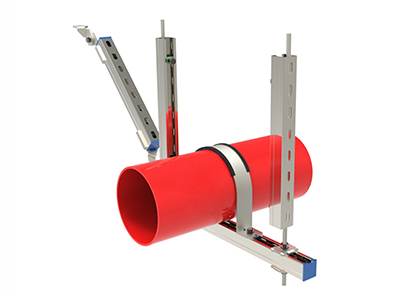
II. Installation steps for air ducts: Taking rectangular air ducts as an example, select the appropriate seismic supports and hangers based on the duct shape. The installation steps primarily include: measuring and positioning anchor bolts → cutting → installing main hangers → installing crossbeams → installing diagonal braces → installing stiffening devices.

III. Cable Tray Installation Steps: Select the appropriate seismic supports and hangers for installation based on the configuration of the cable tray framework. The installation steps primarily include: measuring and positioning anchor bolts → cutting → installing main hangers → installing crossbeams → installing lateral and longitudinal supports → installing stiffening devices.

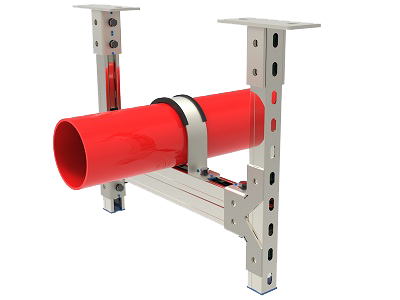
IV. Installation steps for the assembly: While there are many types of assemblies, the installation steps are essentially the same. Here, a water pipe assembly is used as an example for the installation process. Select the appropriate seismic support and hanger system based on the specific configuration of the assembly.
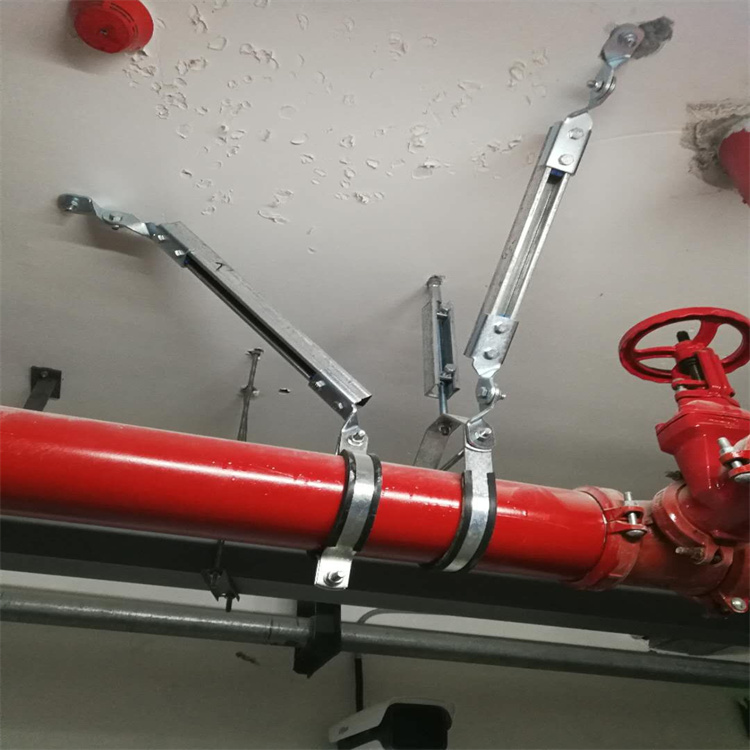
Installation steps primarily include:
Measurement and anchor bolt positioning → Cutting → Installation of main hoisting supports → Installation of channel steel cross-beams and securing of water pipes → Installation of lateral and longitudinal bracing → Installation of stiffening ribs.
Construction precautions:
1. Carefully review construction drawings and conduct a site survey to verify conditions against the drawings prior to installation. Coordinate the work schedule with other trades;
2. Perform layout and positioning based on the construction drawings and site survey. Mark locations where suspended items—such as piping, cable trays, or air ducts—require vertical offsets or directional changes, ensuring sufficient clearance for the installation of supports and hangers;
3. When multiple types of piping are grouped together, adhere to the following principles: arrange smaller pipes alongside larger ones; position pressurized pipes relative to non-pressurized ones; and group insulated pipes separately from uninsulated (ambient temperature) ones;
4. When installing supports for steam and water piping, strictly follow the spacing, installation methods, and angles specified in the drawings.