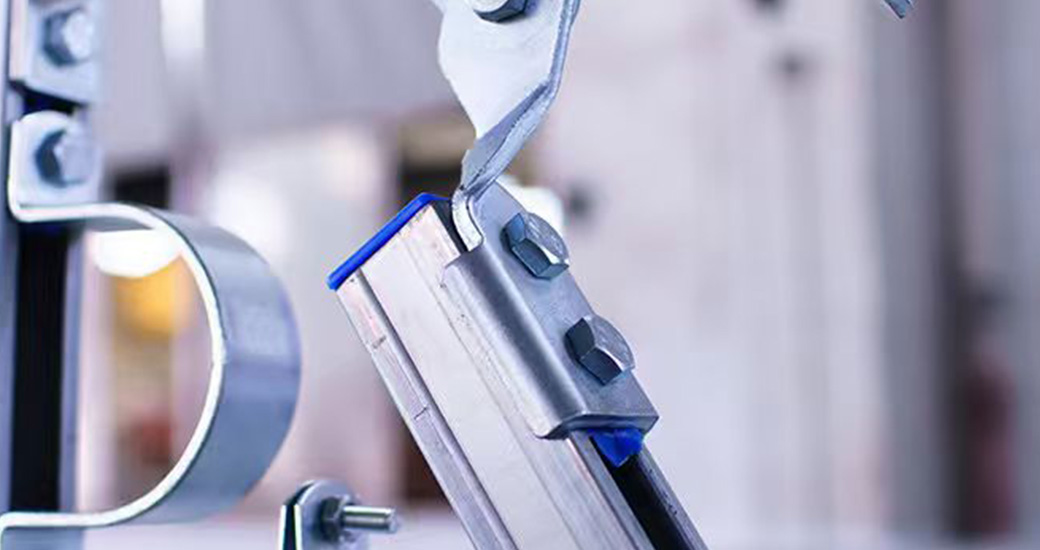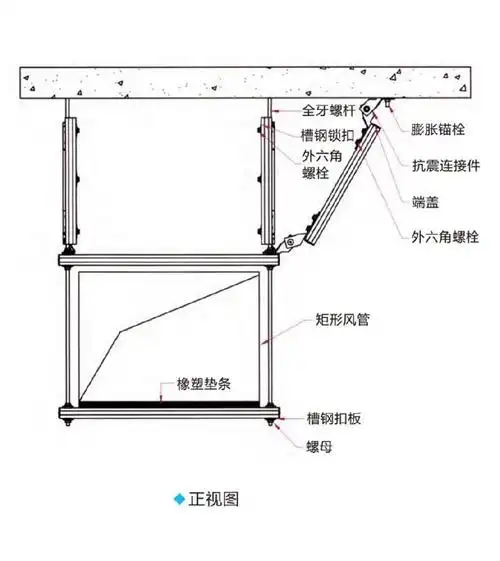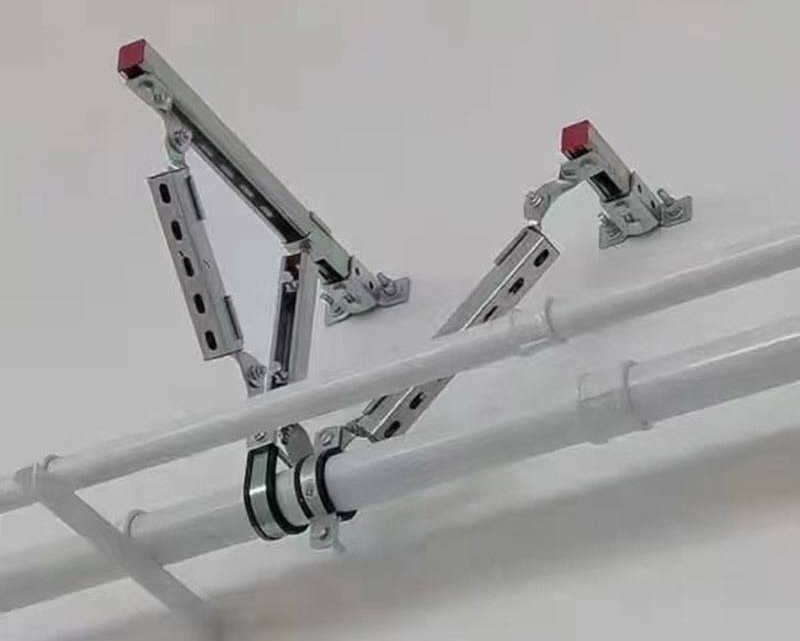

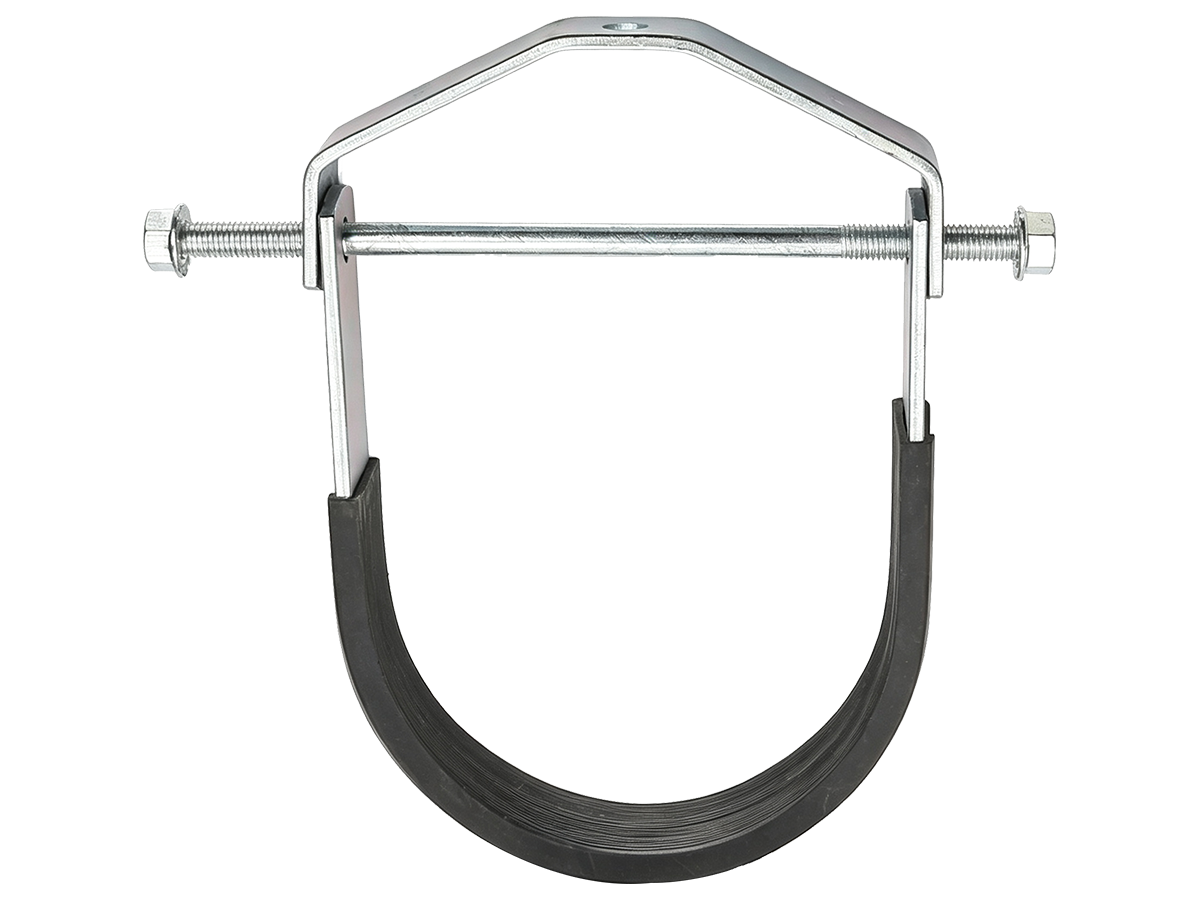
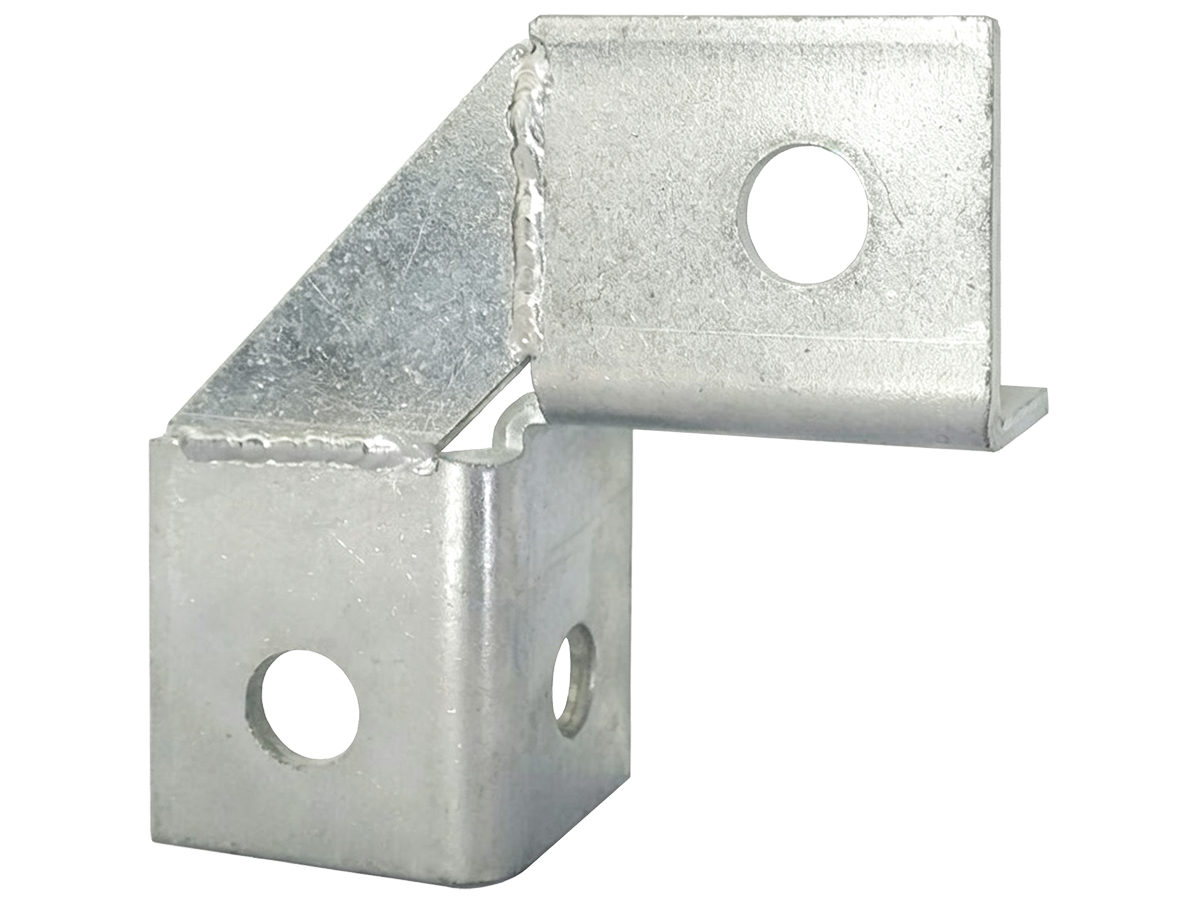
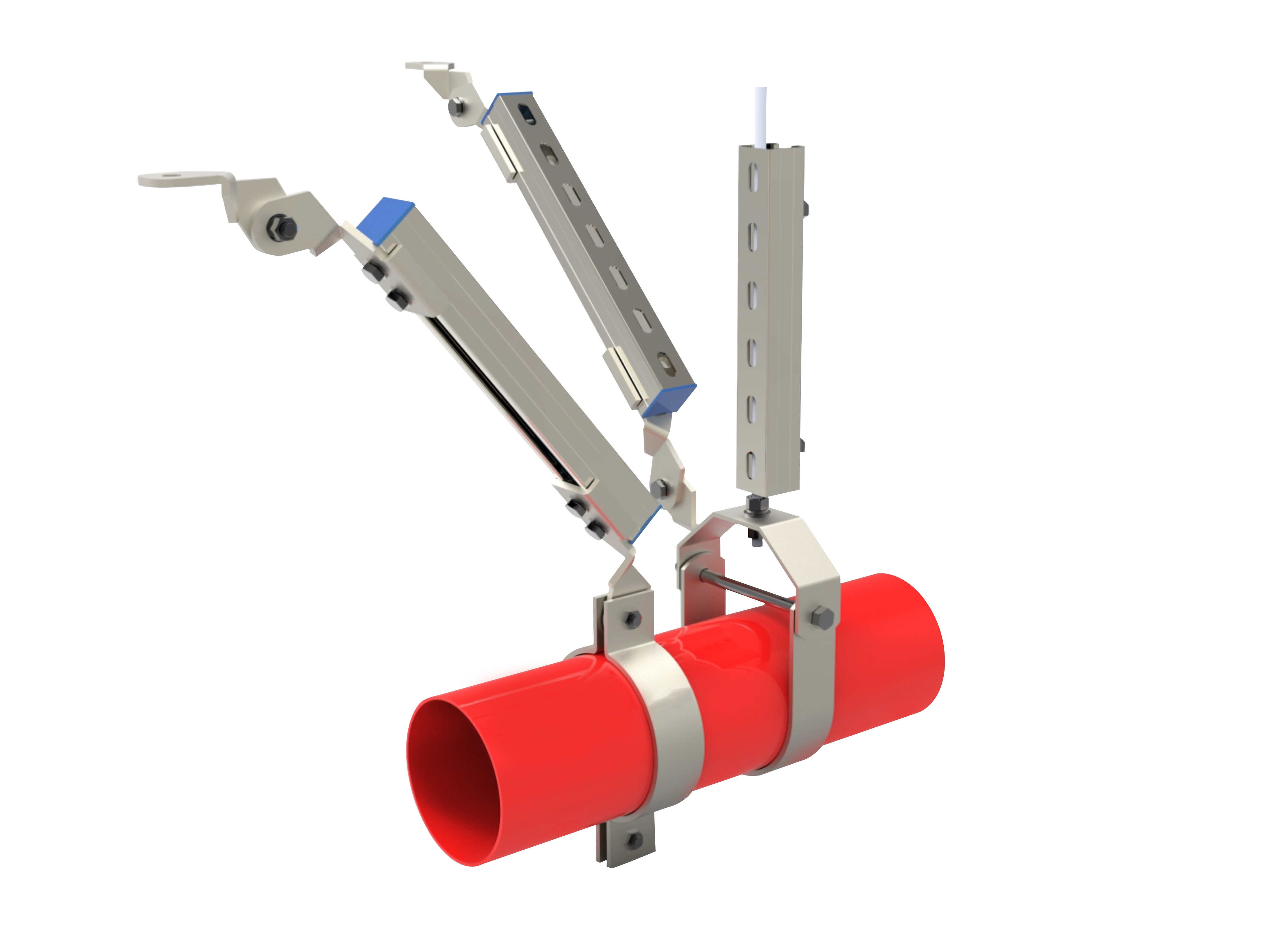
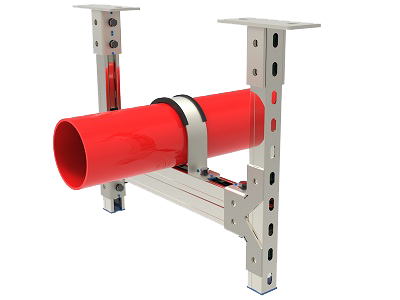
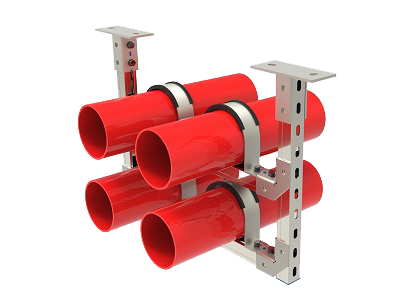
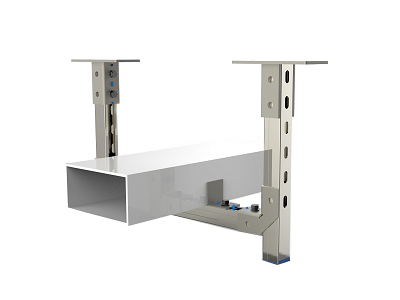
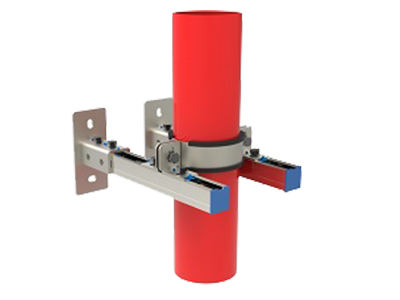
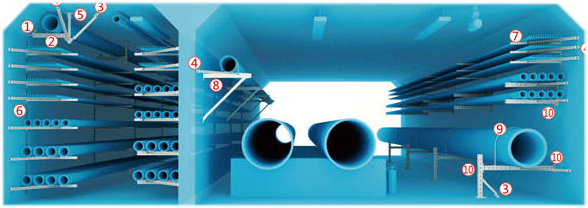
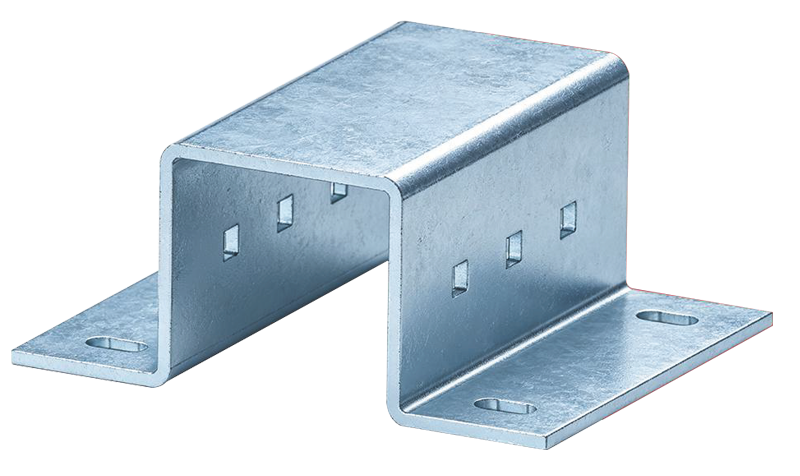
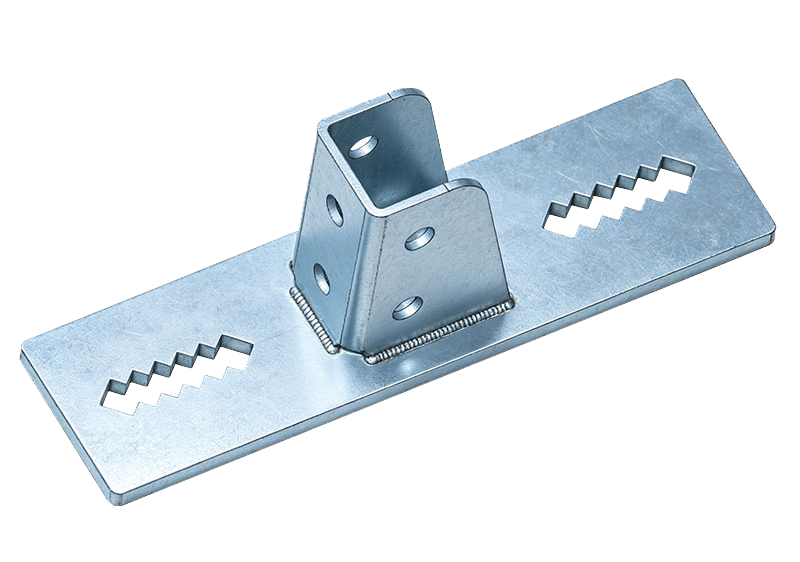
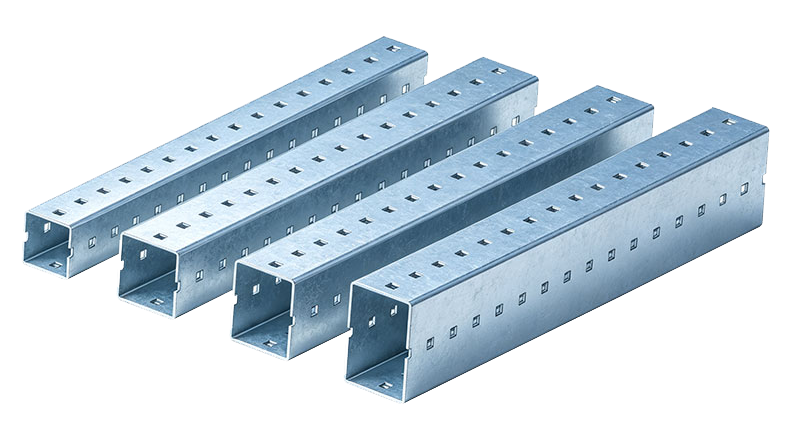
Seismic Support Manufacturers: Seismic supports are components or devices designed to limit the displacement of auxiliary electromechanical equipment, control equipment vibration, and transfer loads to the load-bearing structure. They provide reliable protection for mechanical and electrical systems during earthquakes by withstanding seismic forces from any horizontal direction. Functioning as a seismic bracing system where seismic force is the primary load, they transfer the seismic effects acting on pipelines and equipment to the main structure. Various seismic support methods exist, covering applications such as single pipes, gantry-style pipe racks, electrical conduits, air ducts, integrated piping systems, and equipment seismic bracing. Today, seismic support manufacturers outline the specific advantages of these systems: They consist of modular components that allow for assembly-style installation, resulting in a neat, aesthetically pleasing, and professional appearance without the need for welding or drilling. They are easily disassembled, modified, and adjusted, and are reusable with virtually no waste. They offer great flexibility across different disciplines, optimize vertical space utilization, and ensure excellent system compatibility.
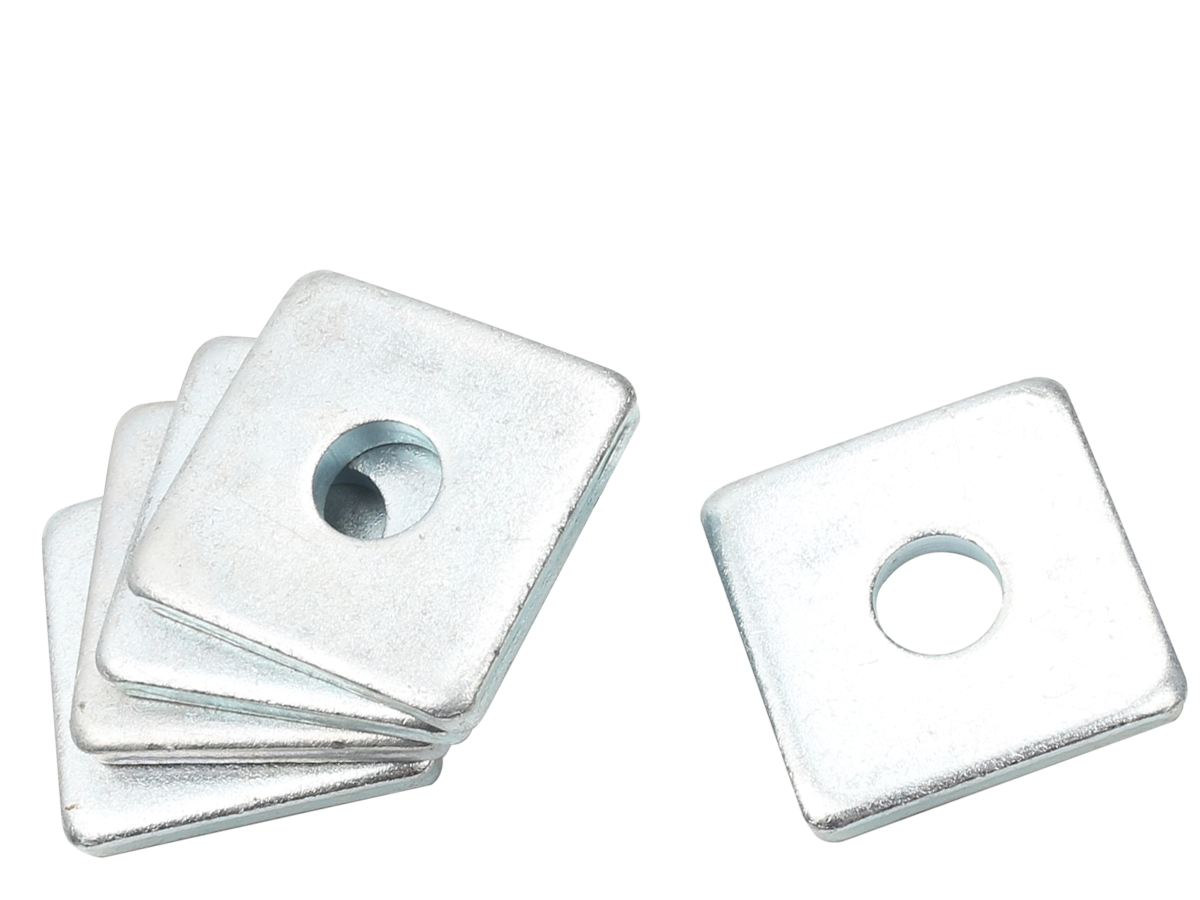
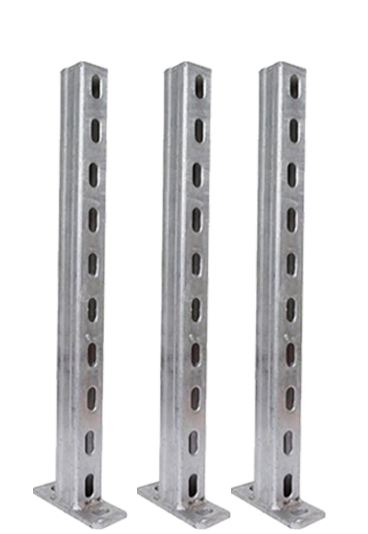
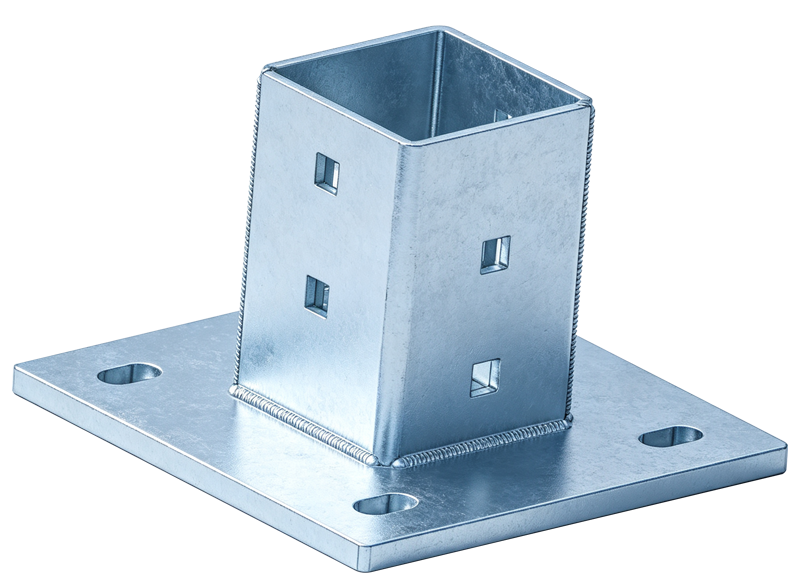
Multiple disciplines can share the same support framework; efficient space utilization allows for effective coordination between different trades. The load-bearing performance is reliable and stable, supported by comprehensive design schemes and standard construction details. All load-bearing components—such as channel steel and standard fittings (featuring locking serrations)—achieve a rigid, interlocking fit, ensuring connections remain secure without displacement or slippage. They are resistant to impact and vibration, enhancing the shear resistance of support joints. After-sales service includes on-site guidance and solutions provided by technical experts, real-time inspections of specialized supports, and coordination of multi-disciplinary installations. Installation is rapid—6 to 8 times faster than traditional methods—cutting manufacturing and installation costs by half. Cross-disciplinary work is facilitated, boosting efficiency and shortening construction schedules. They offer a long service life and convenient ongoing maintenance. Integrated Lateral Seismic Bracing Systems
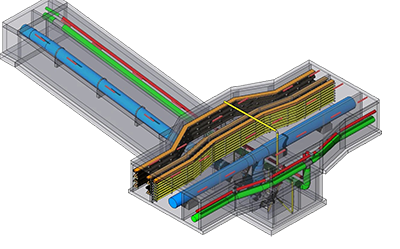
Seismic bracing manufacturers explain that, depending on application conditions and specific user requirements, materials undergo various finishing processes—such as cold galvanizing, hot-dip galvanizing, or powder coating (electrostatic spraying). Material costs can be accurately estimated; the products are standardized semi-finished components with clearly marked specifications, facilitating standardized management and minimizing material waste and damage. Manufacturers note that as part of a building's seismic fortification, these systems utilize computer modeling to analyze factors such as the relationship between earthquake magnitude and energy, as well as regional seismic intensity. By doing so, they help prevent catastrophic incidents—such as gas leaks, electrical system failures, and gas-related fires—in buildings equipped with these systems. By preventing the collapse or destruction of various equipment and piping (including gas lines) during an earthquake, these systems provide occupants with critical time and space to escape safely.